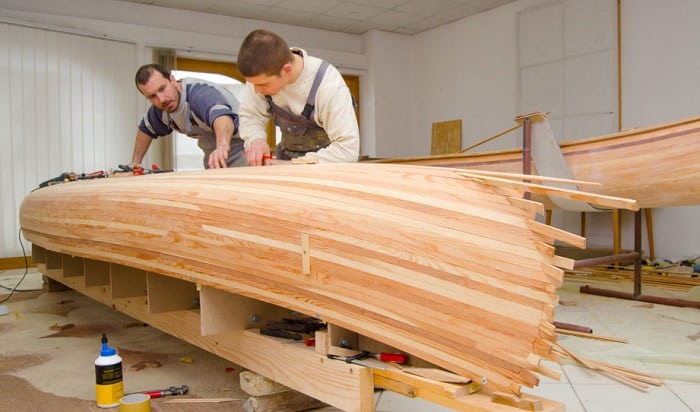
Beyond the Plans: Unveiling Hidden Gems in Wooden Boat Building
Building a wooden boat is a journey, a testament to craftsmanship and patience. While numerous guides detail the "how-to," few delve into the less tangible aspects â€" the nuances that transform a project into a masterpiece. This review of a hypothetical "Step-by-Step Guide for Wooden Boat Making with Precision" goes beyond the typical build instructions, exploring the often-overlooked elements vital to success and satisfaction.
The Psychology of Plank: Understanding Your Relationship with the Wood
Most guides focus on the technicalities. But what about the emotional connection? Building a boat is an intimate process. How does the wood itself impact the builder?
Q: How can a builder anticipate and manage the emotional rollercoaster of a long-term project like boat building?
A: The answer lies in mindful engagement. Treat each plank not just as a building material, but as a partner in the creation. Acknowledge setbacks as learning opportunities, celebrating small victories along the way. Consider journaling or photography to track progress and emotional shifts. Recent studies in positive psychology (e.g., Seligman's work on learned optimism) highlight the importance of a positive mindset for overcoming challenges in complex projects. This isn't just about building a boat; it's about building resilience and self-awareness.
Q: How can the choice of wood impact the builder's experience?
A: The characteristics of the wood â€" its scent, texture, grain pattern â€" contribute to the sensory experience of building. Choosing a wood that resonates aesthetically and tactilely enhances the emotional investment in the project. For example, the warm aroma of cedar might instill a sense of calm and focus, while the strength of oak can foster a feeling of confidence and power. This is where research into different wood species and their unique properties beyond mere structural capabilities becomes crucial (e.g., exploring the history and cultural significance of the wood used).
Beyond the Blueprint: Embracing Imperfection and Innovation
No two trees are identical, and neither are two boats, even when built from the same plans. How can we embrace this variability?
Q: How can a builder adapt to unexpected challenges and variations in the wood?
A: Embrace the imperfections! Instead of viewing knots or irregularities as flaws, see them as opportunities for unique design elements. This requires a shift in mindset, from rigid adherence to plans to flexible adaptation based on the material's characteristics. Consider incorporating the natural curves and grain patterns into the boat's design, creating a truly one-of-a-kind vessel. Think of it as collaborative design â€" a partnership between the builder and the wood.
Q: How can new technologies enhance the traditional craft of wooden boat building?
A: While tradition is important, integrating modern tools can significantly improve precision and efficiency. Digital modeling software, laser cutters for intricate parts, and even 3D-printed components can augment the traditional skills, allowing for more complex designs and faster construction. For example, using a CNC router to precisely cut complex curves can save significant time and effort. The key is to combine the best of both worlds, preserving the essence of wooden boat building while leveraging the advantages of modern technology. This approach aligns with the broader trend of integrating digital fabrication into traditional crafts (see research on digital craftsmanship and its impact on various artisan trades).
The Legacy of the Craft: Passing the Knowledge On
Wooden boat building is a dying art. How do we ensure its survival?
A: Sharing knowledge is key. Mentorship programs, workshops, and online communities are vital for passing down traditional techniques and inspiring new generations of boat builders. Collaborating with educational institutions to develop curricula that integrate both traditional craftsmanship and modern technology can help ensure the continuation of this rich tradition. Documenting individual building experiences, both successes and failures, can provide invaluable insights for future generations. This goes beyond simple instructional manuals; it's about preserving the stories and wisdom embedded within the craft.
In conclusion, building a wooden boat is more than just following instructions; it's a deeply personal and rewarding experience. By focusing on the emotional connection with the material, embracing imperfections, and creatively integrating new technologies, we can elevate this timeless craft to new heights, ensuring its legacy for years to come.


