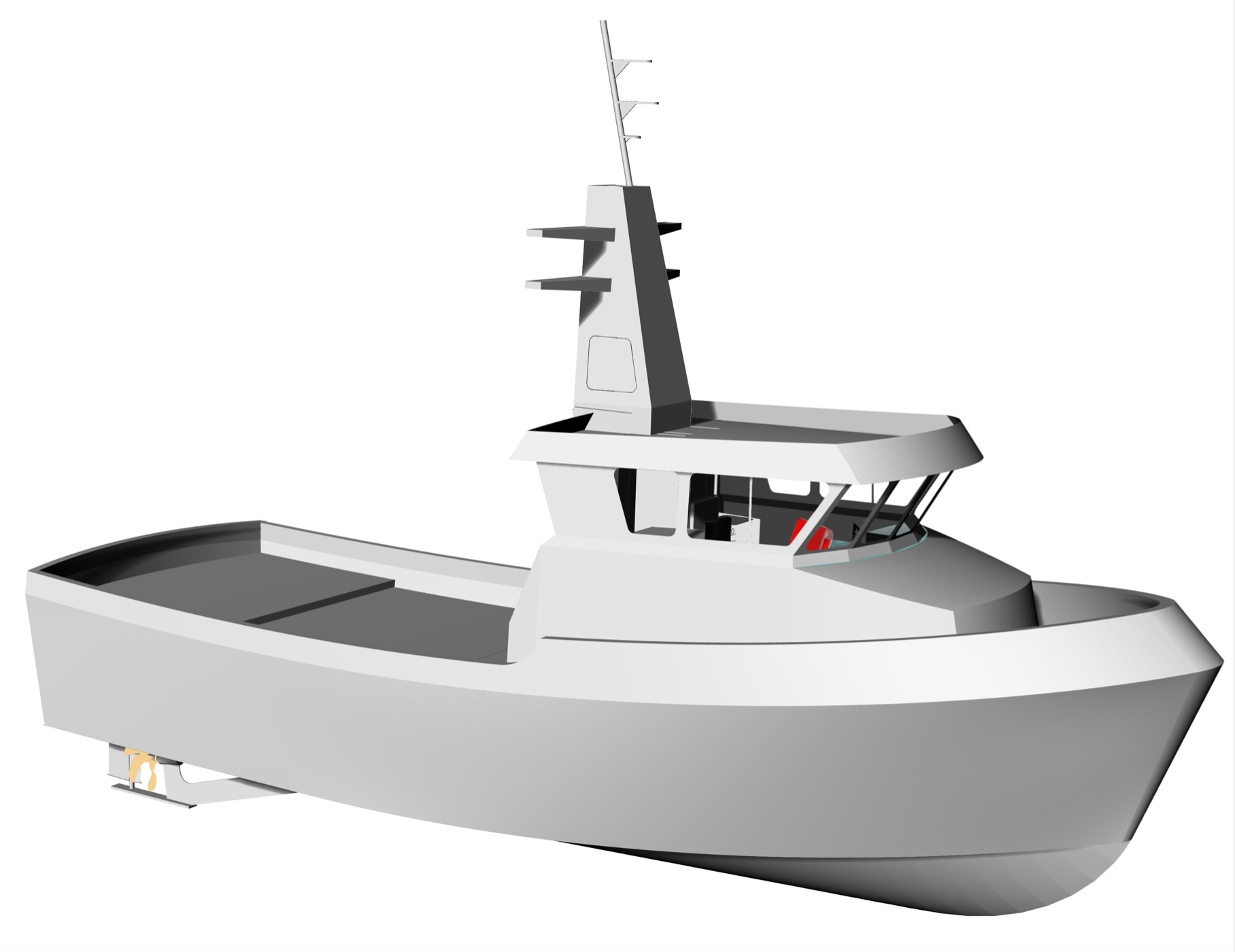
Fishing Boat Plans for Strong, Stable, and Long-Lasting Boats
Building a fishing boat is a rewarding and challenging endeavor. A well-designed boat will provide years of enjoyment and functionality on the water. When crafting a fishing boat, it is essential to prioritize strength, stability, and longevity. This article will delve into key considerations for designing fishing boat plans, outlining crucial aspects for achieving a robust, reliable, and durable vessel.
Choosing the Right Hull Design
The hull design forms the foundation of a boat's performance and seaworthiness. Selecting the appropriate hull shape depends on the intended fishing style and the type of waters where the boat will operate.
Deep V Hulls
Deep V hulls are known for their stability and ride quality in rough seas. Their pointed bow slices through waves, reducing impact and providing a smoother ride. This design is well-suited for offshore fishing and navigating choppy waters.
Modified V Hulls
Modified V hulls combine the stability of a deep V with a wider beam, offering a compromise between rough water handling and space for fishing activities. These hulls provide a balance between speed and comfort.
Catamarans
Catamarans, with their twin hulls, offer exceptional stability, particularly in shallow waters. Their wide platform provides ample space for fishing gear and passengers. Catamarans are well-suited for coastal fishing and calmer waters.
Jon Boats
Jon boats are simple, flat-bottomed designs that are highly versatile. Their shallow draft allows access to shallow waters, making them ideal for fishing in rivers and lakes. Jon boats are often used for bass fishing and other freshwater applications.
Material Selection
The material chosen for building a fishing boat significantly impacts its strength, durability, and maintenance requirements. Common materials include:
Fiberglass
Fiberglass is a popular choice due to its strength, durability, and relatively low cost. Fiberglass boats are resistant to rot and corrosion, making them suitable for saltwater applications. They offer a smooth, sleek finish.
Aluminum
Aluminum is highly durable, lightweight, and resistant to corrosion. Aluminum boats are known for their longevity and low maintenance requirements. They are well-suited for both fresh and saltwater environments.
Wood
Wood, particularly marine-grade plywood, can be used to build sturdy and classic fishing boats. While requiring more maintenance than fiberglass or aluminum, wood boats offer a unique aesthetic and excellent craftsmanship.
Steel
Steel offers exceptional strength and durability. Steel boats are generally heavier than fiberglass or aluminum, but they are highly resistant to impact and wear. Steel boats are well-suited for commercial fishing applications where heavy loads are involved.
Construction Techniques
Proper construction techniques are crucial for ensuring a strong, stable, and long-lasting fishing boat. Here are some key considerations:
Frame and Ribs
A sturdy frame and ribs provide the boat with its structural integrity. These components should be made from high-quality materials and securely fastened to ensure stability and prevent warping.
Planking and Sheathing
The planking or sheathing, which forms the hull, should be carefully selected for strength, water resistance, and durability. Marine-grade plywood, fiberglass, or aluminum sheets are commonly used.
Epoxy and Resin
Epoxy and resin are used to bond the boat's components, creating a strong and watertight seal. These materials play a crucial role in the boat's overall strength and resistance to moisture.
Fasteners and Hardware
All fasteners and hardware should be marine-grade materials, resistant to corrosion and water damage. Properly sized and installed fasteners ensure the boat's integrity and prevent failure.
Designing for Stability and Strength
Stability and strength are paramount for a safe and reliable fishing boat. Several design elements contribute to these qualities:
Beam Width
A wider beam provides greater stability, reducing the risk of capsizing. The beam should be appropriate for the boat's size and intended use.
Freeboard
Freeboard refers to the height of the deck above the waterline. Adequate freeboard prevents water from entering the boat in rough seas and improves overall stability.
Weight Distribution
Even weight distribution is essential for stability and performance. Properly balancing the boat's weight reduces stress on the hull and prevents instability.
Reinforcement
Adding reinforcement to critical areas of the boat, such as the bow, stern, and transom, increases strength and reduces the risk of damage from impact or overloading.
Essential Features
Several essential features enhance the functionality and safety of a fishing boat:
Deck Layout
The deck layout should be designed for optimal fishing efficiency, providing ample space for casting, storing tackle, and moving around the boat.
Storage Compartments
Adequate storage compartments are crucial for keeping fishing gear organized and secure. These compartments should be well-sealed to prevent water damage.
Livewells
Livewells are essential for keeping caught fish alive and healthy. They should be well-insulated and equipped with an aeration system.
Navigation Lights
Navigation lights are required for safe operation at night. They should be properly installed and maintained for visibility and safety.
Safety Equipment
Essential safety equipment includes life jackets, fire extinguishers, flares, and a first-aid kit. This equipment should be readily accessible and in good working order.
Maintenance and Care
Regular maintenance is crucial for preserving the integrity and longevity of a fishing boat. Here are some key tasks:
Cleaning and Washing
Clean the boat regularly to remove dirt, salt, and debris. Washing with a mild detergent helps prevent corrosion and maintains the boat's appearance.
Inspecting and Repairing
Periodically inspect the hull, deck, and hardware for signs of damage or wear. Repair any issues promptly to prevent further deterioration.
Lubricating and Maintaining Systems
Lubricate moving parts, such as engine components and steering mechanisms, to ensure smooth operation and prevent wear.
Storing and Protecting
When not in use, store the boat in a protected environment, such as a garage or covered slip, to minimize exposure to the elements.
By carefully considering the factors outlined in this article, boat builders can create strong, stable, and long-lasting fishing boats that will provide years of enjoyment and adventure on the water.


