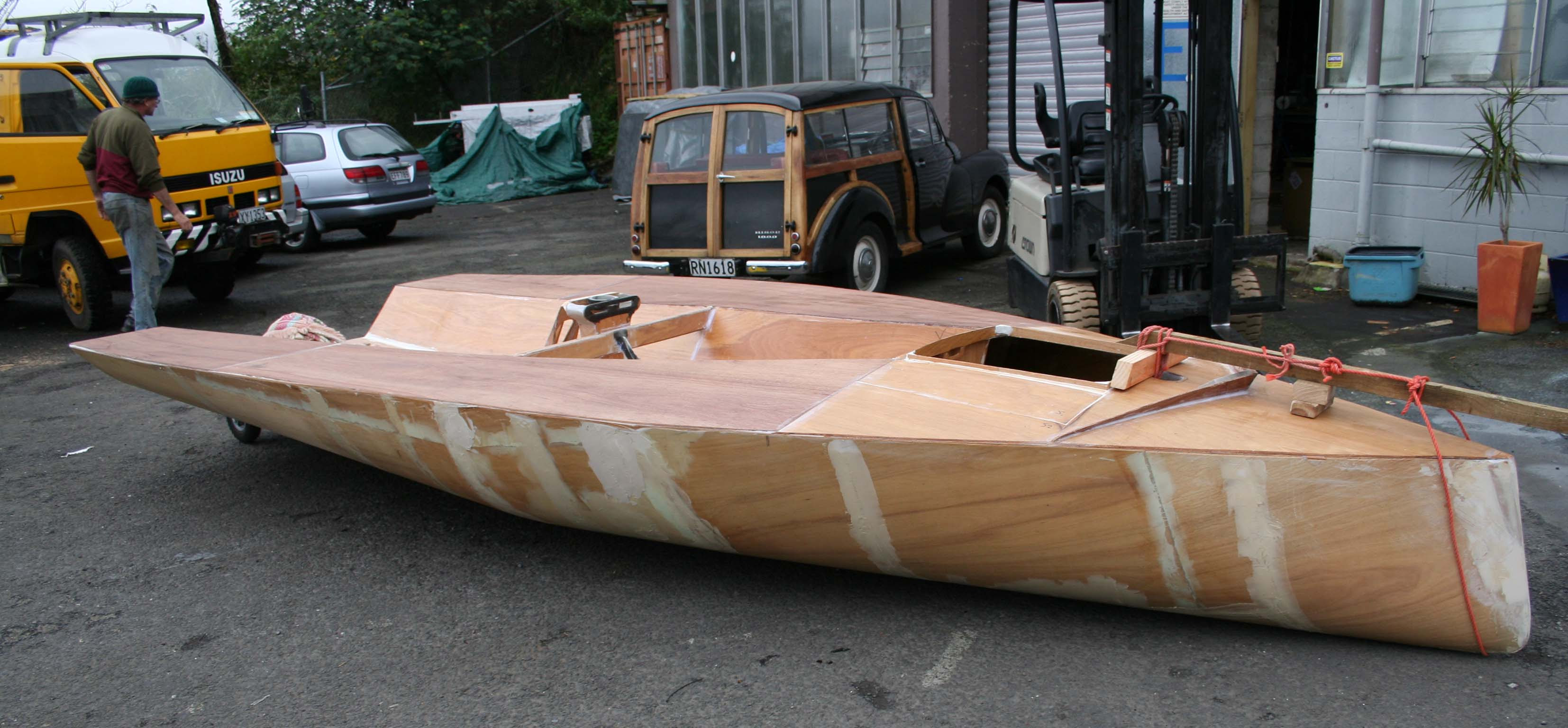
Beyond the Plans: Unveiling Hidden Gems in Stitch-and-Glue Boatbuilding
Stitch-and-glue boatbuilding, a method celebrated for its accessibility and rewarding process, often leaves certain aspects unexplored. While numerous guides detail the *how*, fewer delve into the *why* and the unexpected benefits beyond the finished vessel. This review of "How to Build a Stitch-and-Glue Boat for Fun and Leisure" tackles these overlooked facets, offering new perspectives for hobbyists, professionals, and anyone considering this engaging craft.
The Unsung Hero: Material Selection Beyond the Manual
Most stitch-and-glue guides focus on the specified materials. But what about exploring alternatives? This is where innovation lies. Let's address this in a Q&A format:
Q: Can I use reclaimed wood for my stitch-and-glue project?
A: Absolutely! While the manual might suggest new marine-grade plywood, consider using reclaimed wood â€" ethically sourced, of course. This significantly reduces the environmental footprint. However, thorough inspection for rot and defects is crucial. Careful selection and preparation (like treating against moisture) are vital for success. Using reclaimed wood adds a unique patina and story to your boat, transforming it into a truly personal project. Research on reclaimed wood's suitability for marine environments using resources like the US Forest Service's publications on wood decay resistance would be beneficial.
Q: Are there sustainable alternatives to epoxy resin?
A: Yes! The search for eco-friendly alternatives to epoxy is ongoing. Research into bio-based resins derived from plants is yielding promising results. While not always readily available, these options minimize the environmental impact compared to petroleum-based epoxies. Publications from organizations like the Bio-based Products Industry Association can provide updated information on the availability and performance of such alternatives. Integrating these materials, though requiring more research, represents a significant step towards sustainable boatbuilding.
Beyond the Boat: Unexpected Educational and Therapeutic Benefits
Building a boat is more than just carpentry; it's a holistic experience. Let's explore its hidden educational and therapeutic advantages.
Integrating Stitch-and-Glue into Educational Settings
Many schools and vocational training programs overlook stitch-and-glue's potential. It seamlessly integrates various disciplines:
- Mathematics: Calculating angles, volumes, and material quantities.
- Science: Understanding wood properties, resin chemistry, and buoyancy principles.
- Art and Design: Developing aesthetic sensibilities in boat design and finish.
- Engineering: Applying structural principles in building a watertight and stable vessel.
Such hands-on learning enhances theoretical knowledge, providing a tangible outcome that fosters creativity and problem-solving skills.
The Therapeutic Power of Boatbuilding
Anecdotal evidence suggests that the methodical process of stitch-and-glue can be incredibly therapeutic. The repetitive nature of stitching and the satisfaction of seeing the boat gradually take shape can provide a sense of accomplishment and reduce stress. This aligns with the growing field of therapeutic crafts, where repetitive tasks are used to manage anxiety and promote mindfulness. Further research in this area could explore the quantifiable benefits of stitch-and-glue on mental well-being.
Storytelling Through Wood and Resin: Personalizing Your Build
Imagine incorporating personal elements into your boat: burning a family crest onto the transom, using reclaimed wood from a special place, or embedding small mementos into the epoxy layers. This transforms the project from a simple construction to a narrative vessel, reflecting personal journeys and experiences. This kind of personalization is rarely discussed in standard boatbuilding guides but adds immense value to the finished product.
In conclusion, "How to Build a Stitch-and-Glue Boat for Fun and Leisure" provides a solid foundation. However, by venturing beyond its limitations and embracing innovation in materials, exploring the educational and therapeutic aspects, and personalizing the build, we unlock the true potential of this engaging craft. It's not just about building a boat; it's about building a story, and that’s a voyage worth taking.


