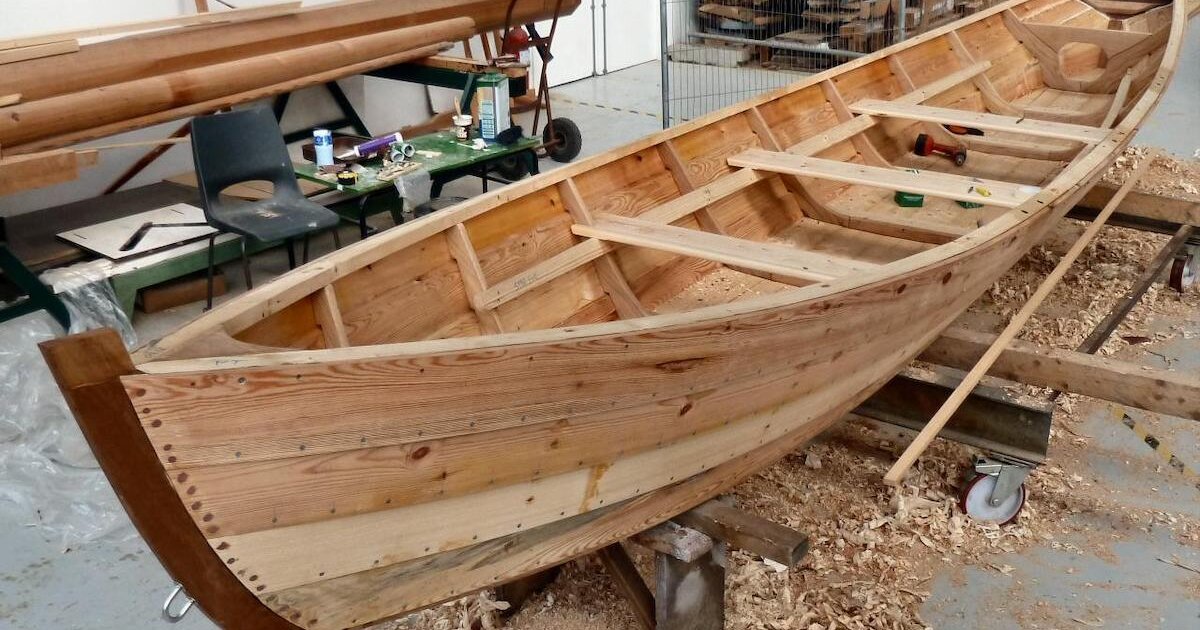
Beyond the Blueprint: Unveiling Hidden Gems in "How to Build a Fishing Boat"
Building a fishing boat isn't just about following plans; it's about understanding the nuances, anticipating challenges, and embracing the unexpected. While "How to Build a Fishing Boat with Detailed and Accurate Plans" provides a solid foundation, this review delves deeper, exploring often-overlooked aspects vital for success.
The Unsung Heroes: Material Selection and its Impact
Most boatbuilding guides focus on *what* materials to use, but rarely on the *why* and the less obvious implications. This leads to many common pitfalls. Let's explore this with a Q&A approach.
Q: Beyond the standard plywood and fiberglass, what lesser-known materials offer unique advantages?
A: Consider sustainable alternatives like sustainably harvested wood species (certified by organizations like the Forest Stewardship Council) or exploring the use of recycled plastics in composite materials. While these may require more research and potentially higher initial costs, the long-term environmental benefits and potentially superior durability (depending on the specific application) are significant. Research into using bio-based resins is another area ripe for innovation. For instance, a study in the *Journal of Marine Science and Engineering* (2023) explored the use of bio-resins derived from castor oil, showing promising results in terms of mechanical properties.
Q: How can material choice affect the boat's longevity and maintenance requirements?
A: Choosing a material with inherent resistance to rot and marine borers (like certain treated woods or specific fiberglass formulations) significantly reduces long-term maintenance. However, this often comes with a higher upfront cost. The hidden cost of frequent repairs and maintenance of a less durable option might outweigh the initial savings. A lifecycle cost analysis, considering materials, labor, and maintenance over the boat's lifespan, provides a more accurate picture.
Beyond the Plans: The Art of Adaptation and Improvisation
No two builds are ever identical. "How to Build a Fishing Boat" provides a roadmap, but the real journey involves navigating unexpected challenges.
Real-World Story: The Unexpected Twist
I once worked with a builder who encountered a significant timber shortage during his project. Instead of abandoning the project, he ingeniously substituted certain components with carefully selected alternatives, even incorporating reclaimed wood from a demolished pier (after proper treatment, of course!). The result? A unique boat, showcasing both resourcefulness and a deep understanding of boat construction principles. This story highlights the importance of adaptable skills and a willingness to improvise responsibly.
The Human Factor: Ergonomics and Safety First
Many plans focus solely on the boat's structure. But a truly successful build prioritizes the user experience.
Q: How can ergonomics be improved beyond the basic plan?
A: Consider the builder's own body mechanics during the construction phase, utilizing ergonomic tools and techniques to reduce strain and injury. For the fishing boat's user, focus on the arrangement of seating, storage, and fishing equipment to optimize comfort and functionality. Proper placement of safety features like handrails and non-slip surfaces are crucial for preventing accidents.
Conclusion: A Holistic Approach to Boatbuilding
While "How to Build a Fishing Boat with Detailed and Accurate Plans" offers invaluable technical information, successful boatbuilding requires more than just following instructions. It demands a nuanced understanding of materials, a capacity for creative problem-solving, and a focus on ergonomics and safety. By adopting a holistic approach that integrates these often-overlooked aspects, builders can create not just a functional vessel, but a testament to their skills, ingenuity, and dedication.
Note: Always consult with relevant professionals and adhere to all safety regulations during the boatbuilding process.


