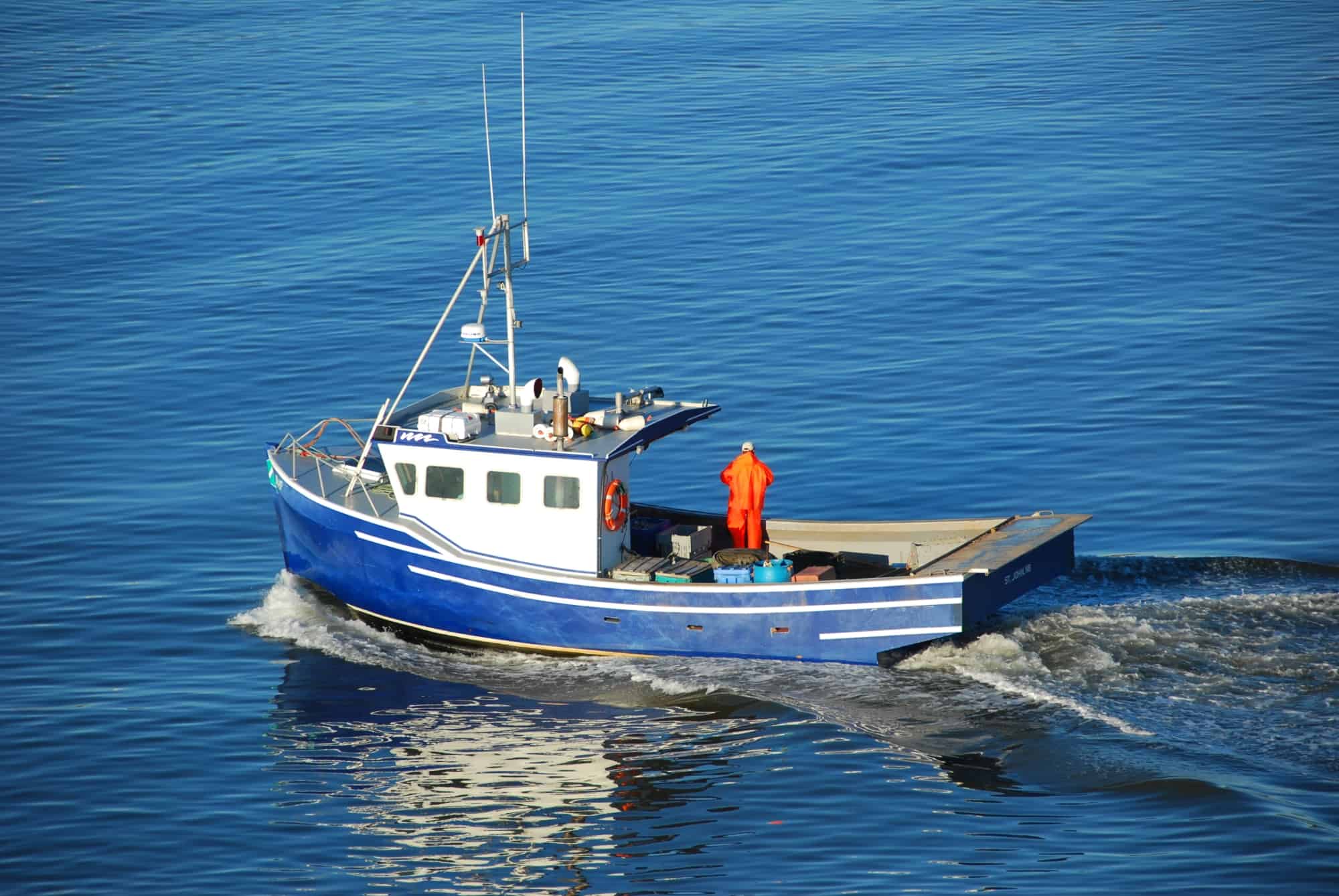
Building a Fishing Boat: A Comprehensive Guide for DIY Enthusiasts
Embarking on the journey of building your own fishing boat is a rewarding endeavor that blends craftsmanship, ingenuity, and a deep appreciation for the water. This comprehensive guide will equip you with the essential knowledge and steps to bring your dream boat to life, from design to final touches. Whether you're a seasoned boat builder or a first-time DIYer, this step-by-step process will guide you through the entire construction process.
I. Planning and Design
1. Determine Your Needs and Goals
Before diving into the design process, it's crucial to clearly define your fishing boat's purpose. Consider:
- Type of fishing: What species will you target? What waters will you navigate?
- Fishing style: Will you be casting, trolling, or using specialized gear?
- Number of anglers: How many people will you need to accommodate on board?
- Desired features: Do you need a live well, rod holders, or a fish-finding system?
- Budget: Set a realistic budget to guide your material choices and construction process.
2. Choose a Boat Design
There are countless fishing boat designs available, each offering unique advantages and drawbacks. Here are some popular options:
- Jon boat: Simple, versatile, and affordable, perfect for shallow waters and small lakes.
- Pontoon boat: Stable platform for larger groups, ideal for fishing and cruising.
- Aluminum boat: Lightweight, durable, and corrosion-resistant, suitable for various fishing styles.
- Fiberglass boat: Smooth hull, sleek aesthetics, and excellent performance, but more expensive and requires specialized skills.
- Wooden boat: Classic charm and craftsmanship, but require extensive experience and maintenance.
3. Draw Your Boat Plans
Once you've selected a design, create detailed boat plans that include:
- Overall dimensions: Length, beam, draft, and freeboard.
- Hull shape: Transom, keel, and chine lines.
- Deck layout: Seating, storage, and fishing amenities.
- Construction details: Material specifications, joints, and fastening methods.
II. Materials and Tools
1. Hull Materials
The choice of hull material depends on your design and budget. Consider:
- Aluminum: Durable, lightweight, and corrosion-resistant.
- Fiberglass: Strong, watertight, and offers smooth performance.
- Wood: Traditional, but requires skilled craftsmanship and maintenance.
- Plywood: Affordable and versatile, suitable for smaller boats.
2. Deck and Structural Components
For the deck and structural elements, you'll need materials like:
- Plywood: Marine-grade plywood is essential for its moisture resistance.
- Timber: Oak, cedar, or mahogany are popular choices for framing and accents.
- Epoxy resin: Provides waterproof bonding and reinforcement.
- Fiberglass cloth: Used for reinforcement and shaping.
3. Essential Tools
A comprehensive set of tools is crucial for efficient and accurate construction. Ensure you have:
- Power tools: Circular saw, jigsaw, drill, sander, and router.
- Hand tools: Measuring tape, level, hammer, pliers, wrenches, and chisels.
- Safety gear: Eye protection, ear protection, and gloves.
III. Building the Hull
1. Construct the Frame
The frame provides the boat's structure and shape. Depending on your chosen design and materials, the frame can be constructed using:
- Aluminum: Extruded aluminum profiles are joined using rivets or welding.
- Wood: Timber framing is assembled using traditional joinery techniques, such as mortise and tenon joints.
2. Skin the Hull
After the frame is complete, the hull is "skinned" with the chosen material. This process involves:
- Aluminum: Aluminum sheets are cut and shaped to fit the frame, then fastened with rivets.
- Fiberglass: Layers of fiberglass cloth are applied to the frame using epoxy resin, creating a smooth and strong hull.
- Wood: Planks of wood are carefully fitted and fastened to the frame using screws, nails, or epoxy adhesive.
3. Fairing and Finishing
After the hull is skinned, it needs to be smoothed and refined. This involves:
- Fairing: Removing imperfections and creating smooth transitions between hull sections using filler materials and sanding.
- Finishing: Applying primer, paint, or other coatings to protect the hull from water and UV damage.
IV. Building the Deck and Interior
1. Construct the Deck Framing
The deck framing provides support for the deck and other components. It's typically constructed using marine-grade plywood and timber.
2. Lay the Deck
Marine-grade plywood is used to create the deck surface. It's secured to the framing with screws, nails, or epoxy adhesive.
3. Install Interior Features
Once the deck is complete, you can install features like:
- Seating: Benches, chairs, or swivel seats.
- Storage: Compartments, lockers, and hatches.
- Fishing amenities: Rod holders, live wells, and fish boxes.
V. Final Touches
1. Install the Outboard Motor
Choose an outboard motor that matches your boat's size and performance requirements. Install it securely on the transom, ensuring proper alignment and mounting.
2. Add Navigation Equipment
Install essential navigation equipment, including:
- Compass: For direction finding.
- GPS: For location tracking and navigation.
- Depth sounder: For measuring water depth.
- Lights: Navigation and running lights are essential for visibility.
3. Perform Sea Trials and Adjustments
After completing the build, conduct thorough sea trials to test the boat's performance, stability, and handling. Make any necessary adjustments to ensure a smooth and safe sailing experience.
VI. Safety and Maintenance
Safety is paramount when operating a boat. Always adhere to boating regulations, wear appropriate safety gear, and have a thorough understanding of basic boat handling techniques. Regular maintenance is essential for preserving your boat's longevity and performance. This includes:
- Hull cleaning: Remove algae, barnacles, and other marine growth regularly.
- Outboard motor maintenance: Perform routine checks and maintenance on the motor.
- Inspection and repair: Inspect the boat for any signs of damage or wear and tear, and make necessary repairs promptly.
Building your own fishing boat is a rewarding experience that offers immense pride and satisfaction. With careful planning, meticulous craftsmanship, and a commitment to safety, you can create a boat that will provide years of enjoyment on the water.


