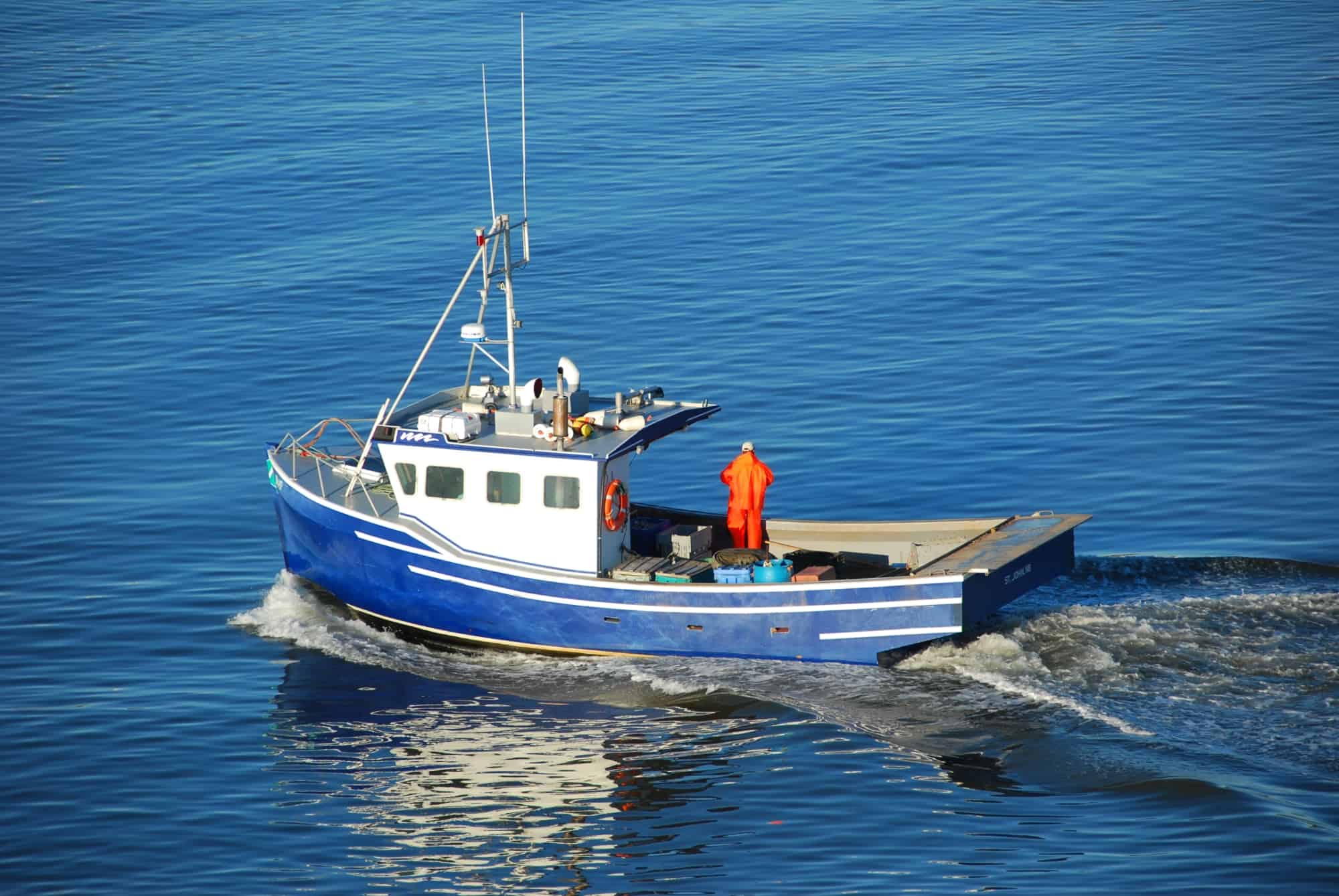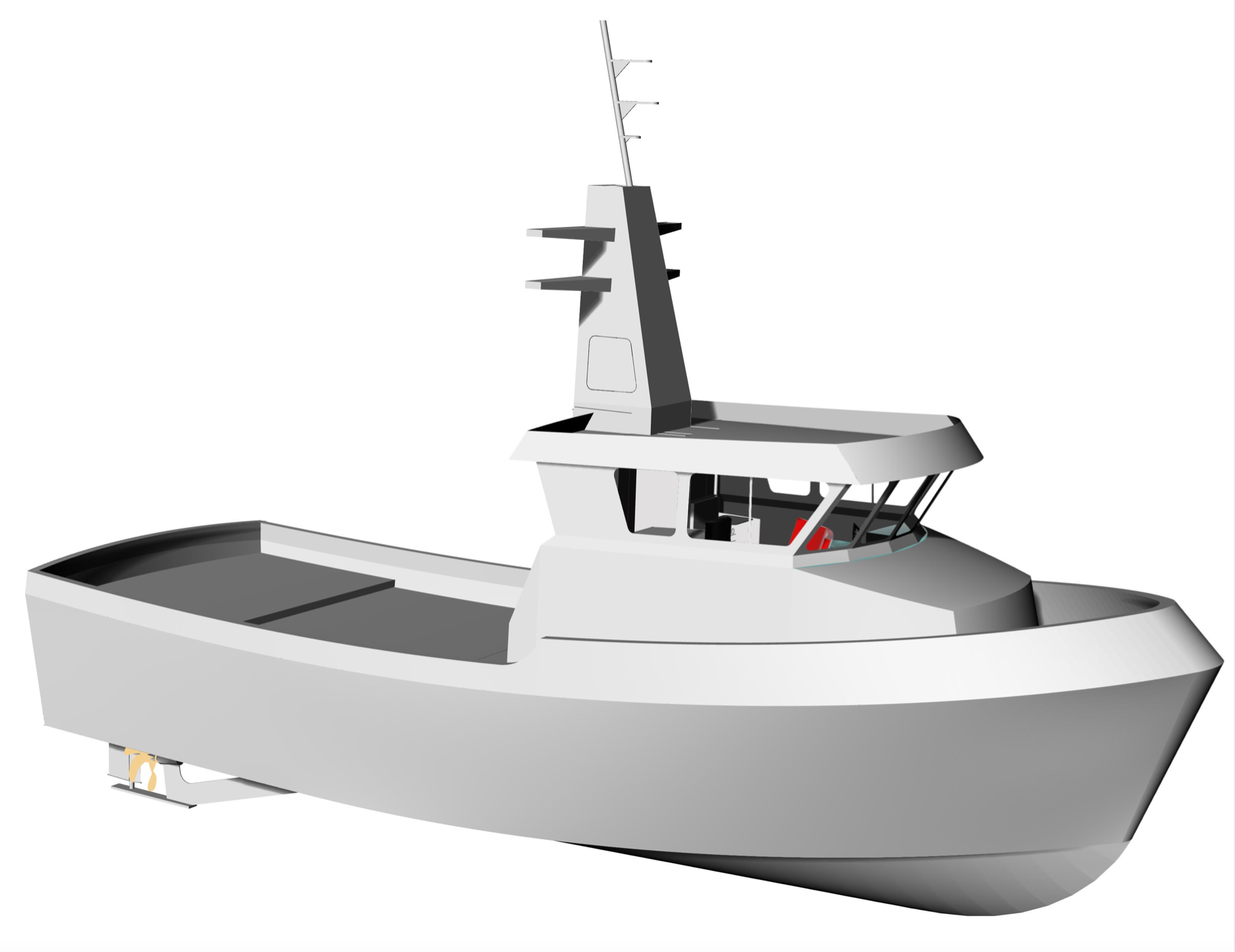
Fishing Boat Plans for Strong, Stable, and Long-Lasting Boats

,
Fishing Boat Plans for Strong, Stable, and Long-Lasting Boats

Fishing Boat Plans for Strong, Stable, and Long-Lasting Boats

Building a fishing boat is a rewarding and challenging endeavor. A well-designed boat will provide years of enjoyment and functionality on the water. When crafting a fishing boat, it is essential to prioritize strength, stability, and longevity. This article will delve into key considerations for designing fishing boat plans, outlining crucial aspects for achieving a robust, reliable, and durable vessel.

Choosing the Right Hull Design

The hull design forms the foundation of a boat's performance and seaworthiness. Selecting the appropriate hull shape depends on the intended fishing style and the type of waters where the boat will operate.

Deep V Hulls

Deep V hulls are known for their stability and ride quality in rough seas. Their pointed bow slices through waves, reducing impact and providing a smoother ride. This design is well-suited for offshore fishing and navigating choppy waters.

Modified V Hulls

Modified V hulls combine the stability of a deep V with a wider beam, offering a compromise between rough water handling and space for fishing activities. These hulls provide a balance between speed and comfort.

Catamarans

Catamarans, with their twin hulls, offer exceptional stability, particularly in shallow waters. Their wide platform provides ample space for fishing gear and passengers. Catamarans are well-suited for coastal fishing and calmer waters.

Jon Boats

Jon boats are simple, flat-bottomed designs that are highly versatile. Their shallow draft allows access to shallow waters, making them ideal for fishing in rivers and lakes. Jon boats are often used for bass fishing and other freshwater applications.

Material Selection

The material chosen for building a fishing boat significantly impacts its strength, durability, and maintenance requirements. Common materials include:

Fiberglass

Fiberglass is a popular choice due to its strength, durability, and relatively low cost. Fiberglass boats are resistant to rot and corrosion, making them suitable for saltwater applications. They offer a smooth, sleek finish.

Aluminum

Aluminum is highly durable, lightweight, and resistant to corrosion. Aluminum boats are known for their longevity and low maintenance requirements. They are well-suited for both fresh and saltwater environments.

Wood

Wood, particularly marine-grade plywood, can be used to build sturdy and classic fishing boats. While requiring more maintenance than fiberglass or aluminum, wood boats offer a unique aesthetic and excellent craftsmanship.

Steel

Steel offers exceptional strength and durability. Steel boats are generally heavier than fiberglass or aluminum, but they are highly resistant to impact and wear. Steel boats are well-suited for commercial fishing applications where heavy loads are involved.

Construction Techniques

Proper construction techniques are crucial for ensuring a strong, stable, and long-lasting fishing boat. Here are some key considerations:

Frame and Ribs

A sturdy frame and ribs provide the boat with its structural integrity. These components should be made from high-quality materials and securely fastened to ensure stability and prevent warping.

Planking and Sheathing

The planking or sheathing, which forms the hull, should be carefully selected for strength, water resistance, and durability. Marine-grade plywood, fiberglass, or aluminum sheets are commonly used.

Epoxy and Resin

Epoxy and resin are used to bond the boat's components, creating a strong and watertight seal. These materials play a crucial role in the boat's overall strength and resistance to moisture.

Fasteners and Hardware

All fasteners and hardware should be marine-grade materials, resistant to corrosion and water damage. Properly sized and installed fasteners ensure the boat's integrity and prevent failure.

Designing for Stability and Strength

Stability and strength are paramount for a safe and reliable fishing boat. Several design elements contribute to these qualities:

Beam Width

A wider beam provides greater stability, reducing the risk of capsizing. The beam should be appropriate for the boat's size and intended use.

Freeboard

Freeboard refers to the height of the deck above the waterline. Adequate freeboard prevents water from entering the boat in rough seas and improves overall stability.

Weight Distribution

Even weight distribution is essential for stability and performance. Properly balancing the boat's weight reduces stress on the hull and prevents instability.

Reinforcement

Adding reinforcement to critical areas of the boat, such as the bow, stern, and transom, increases strength and reduces the risk of damage from impact or overloading.

Essential Features

Several essential features enhance the functionality and safety of a fishing boat:

Deck Layout

The deck layout should be designed for optimal fishing efficiency, providing ample space for casting, storing tackle, and moving around the boat.

Storage Compartments

Adequate storage compartments are crucial for keeping fishing gear organized and secure. These compartments should be well-sealed to prevent water damage.

Livewells

Livewells are essential for keeping caught fish alive and healthy. They should be well-insulated and equipped with an aeration system.

Navigation Lights

Navigation lights are required for safe operation at night. They should be properly installed and maintained for visibility and safety.

Safety Equipment

Essential safety equipment includes life jackets, fire extinguishers, flares, and a first-aid kit. This equipment should be readily accessible and in good working order.

Maintenance and Care

Regular maintenance is crucial for preserving the integrity and longevity of a fishing boat. Here are some key tasks:

Cleaning and Washing

Clean the boat regularly to remove dirt, salt, and debris. Washing with a mild detergent helps prevent corrosion and maintains the boat's appearance.

Inspecting and Repairing

Periodically inspect the hull, deck, and hardware for signs of damage or wear. Repair any issues promptly to prevent further deterioration.

Lubricating and Maintaining Systems

Lubricate moving parts, such as engine components and steering mechanisms, to ensure smooth operation and prevent wear.

Storing and Protecting

When not in use, store the boat in a protected environment, such as a garage or covered slip, to minimize exposure to the elements.

By carefully considering the factors outlined in this article, boat builders can create strong, stable, and long-lasting fishing boats that will provide years of enjoyment and adventure on the water.

Read more →

Wooden Canoe Plans for Building a Durable, Long-Lasting Boat

,
Wooden Canoe Plans for Building a Durable, Long-Lasting Boat

Building a Canoe: From Plans to Paddling

There’s something magical about crafting a wooden canoe. It’s not just about building a boat; it’s about connecting with a long tradition of craftsmanship, embracing the natural beauty of wood, and creating a vessel that will carry you across the water for years to come. But where do you start? Building a canoe from scratch can seem daunting, but with the right plans and a bit of patience, you can create a masterpiece.

This guide will walk you through everything you need to know about finding the perfect canoe plans, choosing the right materials, and building a durable, long-lasting boat.

Choosing the Right Plans

The first step in your canoe-building journey is selecting the right plans. The best plans will be detailed, clear, and designed for your specific needs and skill level.

Types of Canoe Plans

There are many different types of canoe plans available, each offering unique features and challenges. Here are a few common types:

  • Traditional Designs: These plans often replicate classic canoe styles, such as the birchbark canoe or the cedar strip canoe, known for their grace and maneuverability.
  • Modern Designs: Modern plans often incorporate innovative materials and construction techniques, resulting in canoes that are lighter, faster, and more durable.
  • Kits: Kits provide pre-cut wood and instructions, making them a good choice for beginners or those looking for a faster build.
  • Custom Plans: If you have a specific design in mind, you can commission a set of custom plans from a professional designer.

Factors to Consider When Choosing Plans

Here are some key factors to consider when selecting plans:

  • Length and Width: The size of your canoe will affect its capacity, stability, and speed. Consider your intended use and the number of people you’ll be carrying.
  • Material: Canoe plans often specify the type of wood to use. Popular choices include cedar, spruce, oak, and mahogany.
  • Construction Method: Plans will detail the construction method, which can range from simple stitch-and-glue to more complex rib-and-plank designs.
  • Skill Level: Choose plans that match your experience level. Beginners may want to start with simpler designs, while experienced builders can tackle more complex projects.

Choosing the Right Wood

The wood you choose for your canoe will greatly impact its durability, weight, and aesthetics. Some of the most popular woods for canoe construction include:

  • Cedar: A lightweight and strong wood with a beautiful reddish hue and excellent resistance to rot.
  • Spruce: A strong and lightweight wood known for its flexibility, making it ideal for planking and ribs.
  • Oak: A durable and heavy wood that can withstand considerable stress, often used for frames and keels.
  • Mahogany: A beautiful, reddish-brown wood that is both strong and lightweight, but it can be expensive.

When selecting wood, be sure to choose lumber that is free of knots, cracks, and other defects.

Building Your Canoe

Once you have your plans and materials, you can begin the exciting process of building your canoe. Here’s a general overview of the steps:

1. Prepare the Workspace

Ensure you have a clean, well-lit workspace with ample room for your canoe and all the tools you’ll need. A sturdy workbench is essential for cutting, shaping, and assembling the wood.

2. Cut and Shape the Wood

Follow the plans meticulously, cutting and shaping the wood according to the specified dimensions. You’ll likely need a variety of woodworking tools, including a saw, plane, chisel, and sander.

3. Assemble the Frame

The frame is the foundation of your canoe, providing its structural integrity. Use the plans to assemble the frame, carefully fitting the ribs and stems.

4. Planking

Planking is the process of attaching the wooden planks to the frame, creating the hull of the canoe. This can be done using various methods, such as stitch-and-glue or rib-and-plank construction.

5. Finishing

After assembling the canoe, you’ll need to finish it to protect it from the elements and enhance its beauty. This involves sanding, applying a sealant, and painting or varnishing.

Tips for Building a Durable Canoe

  • Use high-quality materials. Invest in the best wood and adhesives for a long-lasting canoe.
  • Follow the plans carefully. Exact measurements and precise construction techniques are crucial for a strong and stable boat.
  • Take your time. Don’t rush the process. Carefully consider each step and make sure the work is done correctly.
  • Seek guidance from experienced builders. If you’re a beginner, consider joining a canoe building club or seeking advice from an experienced builder.

Commonly Asked Questions

Here are some questions you might have about building your canoe:

1. How long does it take to build a canoe?

The time it takes to build a canoe varies depending on the complexity of the design and your experience level. A simple canoe might take a few weeks, while a more elaborate one could take several months.

2. How much does it cost to build a canoe?

The cost of building a canoe will depend on the materials you use, the plans you choose, and any specialized tools you need. You can expect to spend a few hundred to a few thousand dollars.

3. Do I need special tools to build a canoe?

While you can build a canoe with basic woodworking tools, some specialized tools will make the job easier, such as a power sander, drill press, and router.

4. Can I build a canoe without experience?

Yes, you can build a canoe without prior experience. Choose plans designed for beginners, and be sure to follow the instructions carefully.

5. What kind of maintenance does a wooden canoe require?

Wooden canoes need regular maintenance to keep them in good condition. This includes inspecting for cracks, repairing any damage, and reapplying sealant as needed.

Building a wooden canoe is a rewarding experience that will connect you with the natural world and provide you with a unique, handmade boat to enjoy for years to come. With careful planning, dedication, and a passion for woodworking, you can create a canoe that will be a source of pride and adventure for generations to come.

Read more →

How to Build a Wooden Dinghy: Materials and Instructions

,
How to Build a Wooden Dinghy: Materials and Instructions

Build Your Own Wooden Dinghy: A Step-by-Step Guide

The gentle rocking of a wooden dinghy on the water is a timeless pleasure. There's something inherently charming about these small boats, their smooth lines and natural beauty speaking to a simpler, more traditional way of life. And the best part? You can build one yourself! This guide will walk you through the materials and steps involved in constructing your own wooden dinghy, offering a rewarding journey into woodworking and boatbuilding.

Materials You'll Need

Before embarking on your build, gather the necessary materials. This list includes the essentials, but it's a good idea to consult with a local boatbuilding expert or a well-regarded boatbuilding book for specific quantities and grades of wood depending on your dinghy design.

Wood

  • Planks: Select marine-grade plywood or hardwood planks (e.g., cedar, mahogany, oak) for the hull, deck, and transom.
  • Frames: Use strong hardwood like oak or ash to craft the ribs and keel.
  • Stringers: These longitudinal supports, often made of oak or pine, run along the length of the hull and add strength.
  • Transom: This is the stern piece, typically made of a thick piece of plywood or hardwood. It supports the outboard motor and acts as the aft end of the boat.

Hardware and Supplies

  • Fasteners: Marine-grade screws, bolts, and rivets will be essential for assembling the hull and deck.
  • Epoxy Resin and Hardener: Use this to seal the wood, providing a watertight barrier and adding strength.
  • Wood Filler: This helps to fill gaps and imperfections in the wood before painting.
  • Paint or Varnish: Protect your boat from the elements and enhance its beauty with marine-grade paint or varnish.
  • Oars or Rowlocks: Choose suitable oars for rowing your dinghy.
  • Hardware for Oars: This includes rowlocks (the oar supports) and oarlocks (the metal fittings that attach to the rowlocks).
  • Thwarts: These are the seats in your dinghy, typically made from wood or marine-grade plastic.
  • Boatbuilding Tools: You'll need a variety of woodworking tools, including a saw, a drill, a router, clamps, and a sanding block.

Building Your Wooden Dinghy: A Step-by-Step Guide

With your materials gathered, you're ready to begin the exciting journey of building your wooden dinghy. This process involves multiple steps that require patience, precision, and a keen eye for detail.

Step 1: Designing Your Dinghy

Start by choosing a dinghy design that suits your needs. There are countless plans available online and in boatbuilding books. Consider factors like the size of your dinghy, the type of sailing or rowing you plan to do, and the level of your woodworking skills.

Step 2: Laying Down the Keel

The keel forms the backbone of the dinghy, so it needs to be strong and sturdy. Using your chosen plans, carefully cut and shape the keel from hardwood. Secure it to your building platform or jig, ensuring it's perfectly level.

Step 3: Creating the Frames

The frames, or ribs, provide the shape and strength of the hull. Using your plans and carefully measured templates, cut and shape the ribs from your chosen hardwood. Each rib is then attached to the keel at specific angles, creating the curve of the hull.

Step 4: Planking the Hull

The planking process is the most visually rewarding part of the build. Using your chosen planks, carefully attach them to the frames, starting at the keel and working your way up. The planks should be carefully fitted, with the seams (where they meet) overlapping slightly. This ensures a watertight hull.

Step 5: Building the Deck

After the hull is complete, it's time to construct the deck. Cut and shape the deck panels from plywood or hardwood, carefully attaching them to the hull's top edges. You can incorporate a simple design or add details like a small cabin or hatches.

Step 6: Adding the Transom

The transom is the stern piece of the dinghy. It's crucial for attaching the outboard motor. Make sure to create a strong and sturdy transom, using a thick piece of plywood or hardwood.

Step 7: Sealing and Finishing

Once the hull and deck are assembled, it's time for sealing and finishing. Carefully apply epoxy resin and hardener to all joints and seams to ensure watertightness. After the epoxy dries, fill any gaps or imperfections with wood filler. Finally, apply paint or varnish to protect the wood and enhance its beauty.

Step 8: Adding the Finishing Touches

The final steps involve adding the finishing touches. Install your chosen oars, rowlocks, and oarlocks. Add thwarts (seats) and any other hardware you may need.

Launching Your Wooden Dinghy

The moment has arrived: it's time to launch your new wooden dinghy. Take your time, and choose a calm day for your first outing. Enjoy the peace and tranquility of rowing on the water in your beautiful, handcrafted boat.

Building a wooden dinghy is a labor of love, demanding patience, skill, and dedication. However, the rewards are immense. Not only will you have a unique and beautiful boat, but you'll also gain a sense of accomplishment and a newfound appreciation for the craftsmanship of traditional boatbuilding.

Read more →

Building a Wooden Dinghy: Tips for DIY Boat Builders

,
Building a Wooden Dinghy: Tips for DIY Boat Builders

Building a Wooden Dinghy: Tips for DIY Boat Builders

So you're thinking about building your own wooden dinghy? Awesome! It's a rewarding and challenging project that will leave you with a beautiful and functional boat. But before you dive in headfirst, there are a few things you need to know.

Choosing the Right Design

The first step is to choose the right dinghy design. There are tons of plans available online and in books, ranging from simple rowing boats to more complex sailing dinghies.

Consider these factors:

  • Length and beam: Determine the size you need based on your intended use and the number of people you want to carry.
  • Type of construction: Decide between a stitch-and-glue, strip-planked, or traditional carvel construction. Each method has its pros and cons, so research them carefully.
  • Materials: Choose the type of wood that suits your budget and skill level. Popular options include cedar, mahogany, and plywood.
  • Your experience: If you're a beginner, start with a simple design using readily available materials. More experienced builders can tackle more complex designs.

Gather Your Tools and Materials

Once you have your design, gather the tools and materials you'll need. This might include:

  • Woodworking tools: Hand saws, power saw, router, chisels, planes, sandpaper, etc.
  • Boatbuilding tools: Boatbuilding clamps, cauls, steam bending tools, etc.
  • Marine epoxy and resin: For bonding and sealing.
  • Fiberglass cloth and resin: For strengthening and waterproofing.
  • Paint and varnish: For protection and aesthetics.
  • Hardware: Oars, rowlocks, cleats, etc.

Building the Boat

Now it's time to build your dinghy. The specific steps will vary depending on your design, but here's a general overview:

Step 1: Cut and Shape the Frames

Begin by cutting and shaping the frames (ribs) of your boat. These provide the structural support for the hull.

Step 2: Construct the Hull

Build the hull based on your chosen construction method. This might involve stitching and gluing planks, bending strips of wood, or planking over a frame.

Step 3: Add the Decks and Transom

Once the hull is complete, add the decks, transom, and other structural components.

Step 4: Finish and Fit

Sand and fair the hull to create a smooth surface. Add any desired trim or accents. Fit the oars, rowlocks, and other hardware.

Step 5: Paint and Varnish

Protect your boat with paint and varnish. Choose marine-grade products that are durable and UV-resistant.

Tips for Success

Here are some tips for building a successful wooden dinghy:

  • Take your time: Boatbuilding is a time-consuming process. Don't rush it. Take your time and do each step carefully.
  • Read the instructions carefully: Pay close attention to the plans and instructions. Don't skip any steps.
  • Use quality materials: Choose high-quality wood and marine-grade products. This will ensure your boat is strong and durable.
  • Measure twice, cut once: Accuracy is essential in boatbuilding. Take your time to measure and double-check your measurements before cutting.
  • Don't be afraid to ask for help: If you encounter a problem or are unsure of how to proceed, ask for help from a more experienced boatbuilder or join a local boatbuilding club.
  • Have fun! Boatbuilding is a rewarding experience. Enjoy the process and celebrate your progress.

Commonly Asked Questions

How much does it cost to build a wooden dinghy?

The cost can vary significantly depending on the size, design, and materials you choose. A simple dinghy made with plywood and basic tools might cost around $500, while a more elaborate dinghy using cedar or mahogany and advanced tools could cost $2,000 or more.

How long does it take to build a wooden dinghy?

The time it takes to build a dinghy depends on the design, construction method, and your experience level. A simple dinghy might take a few weeks to build, while a more complex dinghy could take months.

Do I need any special skills to build a wooden dinghy?

While some basic woodworking skills are helpful, you don't need to be a professional boatbuilder to build a wooden dinghy. There are plenty of resources available to help you learn the basics. However, patience, attention to detail, and a willingness to learn are essential.

Can I build a wooden dinghy by myself?

Yes, you can build a wooden dinghy by yourself, but it's often easier and more enjoyable to have a helper. Having someone to assist with lifting and clamping can make the process go smoother.

Is it worth building a wooden dinghy?

Whether or not it's worth it is subjective. Building a wooden dinghy is a challenging but rewarding experience. You'll end up with a beautiful and unique boat that you can be proud of. However, it takes time, effort, and investment. Weigh your options carefully and decide if it's the right project for you.

Read more →

Wooden Duck Boat Plans for Coastal and Marshland Hunts

,
Wooden Duck Boat Plans for Coastal and Marshland Hunts

Building Your Own Wooden Duck Boat: A Guide for Coastal and Marshland Hunters

There's nothing quite like the feeling of gliding through the marsh at dawn, the air crisp and alive with the sounds of nature. And for many hunters, the ultimate way to experience this is from the seat of their own custom-built wooden duck boat. But where do you begin? Building a duck boat can seem daunting, but with the right plans and a bit of patience, it's a rewarding project that will leave you with a boat built to your exact specifications.

In this article, we'll delve into the world of wooden duck boat plans specifically designed for coastal and marshland hunts. We'll cover everything from selecting the right design to choosing the perfect wood and building techniques. So, grab your coffee, put on your thinking cap, and let's get started!

Why Choose a Wooden Duck Boat?

Let's face it, there's something inherently satisfying about a wooden boat. It's a testament to craftsmanship, a piece of art that combines form and function. But beyond the aesthetics, wooden duck boats offer several advantages:

  • Quiet Operation: The smooth, natural wood hull helps minimize noise, essential for stealthy hunts.
  • Durability: Properly built wooden boats are incredibly tough and can withstand the rigors of coastal and marsh environments.
  • Customizability: You can tailor your design to suit your hunting style, from the layout of the seats to the depth of the hull.
  • Classic Look: A wooden duck boat is a timeless classic, a statement on the water that turns heads.

Choosing the Right Wooden Duck Boat Plans

With so many plans available, how do you choose the right one? The first step is to consider your hunting style and the conditions you'll be facing:

Coastal vs. Marshland Hunting

Coastal hunting often involves open water and larger waves, so a boat with a wider beam and higher freeboard (distance from waterline to the top of the boat) is ideal. For marshland hunting, where you'll be navigating shallow waters and tight spaces, a narrower, shallower draft design is preferred.

Boat Size and Capacity

How many hunters will you be taking out? Will you need space for decoys or other gear? Consider the size and weight capacity of the boat to ensure it can handle your needs.

Construction Difficulty

Some plans are geared towards beginners, while others require more experience. Evaluate your skill level and choose plans that are a good fit for your abilities.

Essential Materials for Building a Wooden Duck Boat

Once you've got your plans, it's time to gather the materials. Here's a breakdown of the key components:

Wood: The Heart of the Boat

The wood you choose plays a crucial role in the boat's durability and longevity. Here are some popular options for duck boat construction:

  • Cedar: Lightweight, naturally rot-resistant, and beautiful, making it a favorite for duck boat builders.
  • Mahogany: Known for its strength and attractive grain, but it can be more expensive than cedar.
  • Pine: Affordable and easy to work with, but requires additional protection against rot.
  • Marine Plywood: A sturdy, moisture-resistant option that's often used for boat decks and transoms.

Other Materials

Beyond the wood, you'll also need:

  • Epoxy Resin: For bonding and waterproofing the wood.
  • Fiberglass Cloth: To strengthen and protect the hull.
  • Hardware: Fasteners, hinges, cleats, and other fittings.
  • Paint: To provide a durable and attractive finish.

Building Techniques: A Step-by-Step Guide

While specific steps will vary based on your chosen plans, here's a general overview of the building process:

1. Cutting and Shaping

The first step is to carefully cut and shape the wood according to your plans. This often involves using a table saw, band saw, and other woodworking tools.

2. Assembling the Hull

The hull is typically built in sections, which are then joined together using epoxy and screws. This process can require precise measurements and careful fitting.

3. Adding the Deck and Transom

Once the hull is assembled, you'll add the deck, transom, and any other structural components. This often involves creating strong connections with epoxy and marine-grade fasteners.

4. Finishing Touches

After the main structure is complete, you'll finish the boat with a coat of epoxy and fiberglass cloth. This creates a waterproof and durable barrier.

5. Painting and Detailing

Finally, you'll paint the boat to your liking and add any desired features, such as seating, storage, and camo patterns.

Tips for Successful Wooden Duck Boat Building

Building a wooden duck boat is a labor of love. Here are some tips to help you ensure a smooth and successful project:

  • Plan Ahead: Don't rush into the project. Carefully review your plans and gather all the necessary materials before you begin.
  • Measure Twice, Cut Once: Accuracy is key to a well-constructed boat. Take your time and make precise measurements.
  • Use Quality Tools: Invest in good woodworking tools to ensure clean cuts and accurate work.
  • Follow the Instructions: Stick to the instructions provided in your plans. Don't try to improvise or make significant changes unless you have experience.
  • Seek Help When Needed: If you encounter any challenges, don't hesitate to reach out to a more experienced woodworker or boat builder for assistance.

Commonly Asked Questions

Here are some common questions that people have about building wooden duck boats:

How long does it take to build a wooden duck boat?

The time required to build a boat depends on the size and complexity of the design, as well as your experience level. It could take anywhere from a few weeks to several months.

How much does it cost to build a wooden duck boat?

The cost of materials and tools can vary, but you can expect to spend between a few hundred dollars and several thousand dollars, depending on the design and quality of the materials.

Do I need any special skills or experience?

While some woodworking experience is helpful, you don't need to be a professional builder. Many plans are designed for beginners, and there are plenty of resources available to guide you along the way.

Can I build a wooden duck boat without plans?

It's strongly advised to use plans. Plans provide detailed instructions, diagrams, and specifications that ensure the boat is built correctly and safely.

Building a wooden duck boat is a journey that combines skill, creativity, and a deep appreciation for the natural world. It's a project that will bring you immense satisfaction, and the end result is a boat that will be your trusted companion on countless hunting adventures.

Read more →

Wooden Yacht Plans for Budget-Friendly DIY Luxury Projects

,
Wooden Yacht Plans for Budget-Friendly DIY Luxury Projects

Wooden Yacht Plans for Budget-Friendly DIY Luxury Projects

Embark on a captivating journey of craftsmanship and luxury with the allure of building your own wooden yacht. While the thought of constructing such a magnificent vessel may seem daunting, it's achievable with the right approach, resources, and a passion for the craft. This comprehensive guide delves into the world of wooden yacht plans, offering insights on finding budget-friendly options, navigating the construction process, and ultimately realizing your dream of sailing the open waters in a vessel you built with your own hands.

The Allure of Wooden Yacht Construction

The timeless beauty and undeniable charm of wooden yachts have captivated boat enthusiasts for generations. The intricate details, the warm, natural textures, and the unique character of each vessel create a sense of artistry and elegance that resonates deeply. Beyond aesthetics, building a wooden yacht offers a unique opportunity to connect with the rich maritime heritage and the traditional skills of shipbuilding.

Benefits of Building a Wooden Yacht

  • Unparalleled Craftsmanship: The meticulous process of shaping wood, joining pieces, and finishing the hull allows for a level of craftsmanship that's unparalleled in modern boat construction.
  • Unique Character: Each wooden yacht is a unique work of art, bearing the distinct mark of its builder's skills and design choices.
  • Enduring Legacy: Well-maintained wooden yachts can last for decades, becoming cherished family heirlooms passed down through generations.
  • Sense of Accomplishment: The sheer satisfaction of constructing a complex vessel with your own hands is a deeply fulfilling experience.

Finding Budget-Friendly Wooden Yacht Plans

While wooden yacht construction can be a significant investment, it's possible to find budget-friendly options without compromising quality. The key lies in careful planning, researching, and exploring various resources:

1. Explore Traditional Designs

Classic yacht designs, often featured in vintage boat plans, tend to be more affordable to build due to their simpler construction methods and readily available materials. These designs often incorporate traditional joinery techniques, reducing the need for complex tooling and advanced machinery.

2. Seek Out Open Source and Free Plans

A treasure trove of free and open-source plans for wooden boats can be found online. Websites dedicated to boat building, woodworking forums, and digital libraries offer a wealth of resources. While these plans may require some modification or adaptation, they provide a solid foundation for your project.

3. Consider Smaller Vessels

Opting for a smaller wooden yacht, such as a dinghy, a day sailer, or a small cruiser, can significantly reduce both material costs and construction time. These smaller vessels are often more manageable for amateur builders and offer a fulfilling first project before tackling larger designs.

4. Utilize Recycled Materials

Explore opportunities to use recycled or salvaged lumber for your project. This practice can dramatically reduce material costs while adding a unique character to your yacht. Be sure to thoroughly inspect any reclaimed wood for structural integrity before using it in your build.

Essential Resources for Wooden Yacht Construction

Building a wooden yacht requires more than just plans. Gather the necessary resources and tools to ensure a successful project:

1. Wood Selection

Choose suitable wood species known for their strength, durability, and resistance to rot. Common choices include:

  • Cedar: Lightweight, rot-resistant, and fragrant.
  • Oak: Strong, durable, and aesthetically pleasing.
  • Mahogany: Gorgeous grain patterns, excellent strength, and good water resistance.
  • Teak: Highly durable, water-resistant, and naturally oil-rich.

2. Tools and Equipment

A well-equipped workshop is essential for wooden yacht construction. Some essential tools include:

  • Power Saw: Circular saw, table saw, or bandsaw for precise cuts.
  • Planer and Jointer: To smooth and flatten lumber.
  • Hand Tools: Chisels, hammers, saws, and a variety of screwdrivers.
  • Measuring Tools: Tape measures, calipers, protractors, and levels.
  • Sanding Equipment: Sandpaper, sanding blocks, and belt sanders for finishing.
  • Boatbuilding Supplies: Epoxy resin, fiberglass cloth, and other boatbuilding materials.

3. Construction Techniques

Mastering essential boatbuilding techniques is crucial for a successful project. Familiarize yourself with:

  • Planking: Attaching wooden planks to the frame of the hull.
  • Steam Bending: Using heat and pressure to bend wood into desired shapes.
  • Joinery: Traditional methods for joining wood pieces.
  • Fiberglassing: Applying fiberglass cloth and resin to strengthen and seal the hull.

Navigating the Construction Process

Building a wooden yacht is a journey filled with challenges and triumphs. Approach the process with a methodical mindset, breaking down the project into manageable stages:

1. Detailed Planning and Preparation

Before starting construction, dedicate time to thorough planning. Study the plans carefully, determine the required materials, and establish a realistic budget and timeline. Prepare your workspace and ensure you have access to the necessary tools and equipment.

2. Frame Construction

Begin with building the frame, the skeleton of the yacht. This typically involves cutting and joining the keel, ribs, and frames. Ensure the frame is strong and properly aligned.

3. Planking the Hull

Carefully attach the planks to the frame, ensuring a smooth and watertight hull. Traditional methods like lapstrake planking involve overlapping planks to create a strong and aesthetically pleasing hull. Modern techniques like carvel planking use flush planks.

4. Finishing and Detailing

After completing the hull, focus on sanding, fairing, and applying finishes. This stage involves shaping the hull, smoothing out any imperfections, and adding the final layers of paint, varnish, or other coatings. Pay meticulous attention to detail, ensuring the yacht meets your aesthetic vision.

5. Rigging and Systems

Once the hull is finished, tackle the rigging and installation of various systems. This includes installing the mast, rigging the sails, and fitting the engine, plumbing, electrical systems, and other essential components.

Embracing the Journey

Building a wooden yacht is an endeavor that demands patience, dedication, and a willingness to learn. While challenges may arise along the way, embrace the process as a journey of discovery and growth. The satisfaction of seeing your creation come to life and the thrill of navigating your own masterpiece through the waters will make all the effort worthwhile.

Read more →

How to Build a Fishing Boat: Step-by-Step Instructions for DIYers

,
How to Build a Fishing Boat: Step-by-Step Instructions for DIYers

Building a Fishing Boat: A Comprehensive Guide for DIY Enthusiasts

Embarking on the journey of building your own fishing boat is a rewarding endeavor that blends craftsmanship, ingenuity, and a deep appreciation for the water. This comprehensive guide will equip you with the essential knowledge and steps to bring your dream boat to life, from design to final touches. Whether you're a seasoned boat builder or a first-time DIYer, this step-by-step process will guide you through the entire construction process.

I. Planning and Design

1. Determine Your Needs and Goals

Before diving into the design process, it's crucial to clearly define your fishing boat's purpose. Consider:

  • Type of fishing: What species will you target? What waters will you navigate?
  • Fishing style: Will you be casting, trolling, or using specialized gear?
  • Number of anglers: How many people will you need to accommodate on board?
  • Desired features: Do you need a live well, rod holders, or a fish-finding system?
  • Budget: Set a realistic budget to guide your material choices and construction process.

2. Choose a Boat Design

There are countless fishing boat designs available, each offering unique advantages and drawbacks. Here are some popular options:

  • Jon boat: Simple, versatile, and affordable, perfect for shallow waters and small lakes.
  • Pontoon boat: Stable platform for larger groups, ideal for fishing and cruising.
  • Aluminum boat: Lightweight, durable, and corrosion-resistant, suitable for various fishing styles.
  • Fiberglass boat: Smooth hull, sleek aesthetics, and excellent performance, but more expensive and requires specialized skills.
  • Wooden boat: Classic charm and craftsmanship, but require extensive experience and maintenance.

3. Draw Your Boat Plans

Once you've selected a design, create detailed boat plans that include:

  • Overall dimensions: Length, beam, draft, and freeboard.
  • Hull shape: Transom, keel, and chine lines.
  • Deck layout: Seating, storage, and fishing amenities.
  • Construction details: Material specifications, joints, and fastening methods.

II. Materials and Tools

1. Hull Materials

The choice of hull material depends on your design and budget. Consider:

  • Aluminum: Durable, lightweight, and corrosion-resistant.
  • Fiberglass: Strong, watertight, and offers smooth performance.
  • Wood: Traditional, but requires skilled craftsmanship and maintenance.
  • Plywood: Affordable and versatile, suitable for smaller boats.

2. Deck and Structural Components

For the deck and structural elements, you'll need materials like:

  • Plywood: Marine-grade plywood is essential for its moisture resistance.
  • Timber: Oak, cedar, or mahogany are popular choices for framing and accents.
  • Epoxy resin: Provides waterproof bonding and reinforcement.
  • Fiberglass cloth: Used for reinforcement and shaping.

3. Essential Tools

A comprehensive set of tools is crucial for efficient and accurate construction. Ensure you have:

  • Power tools: Circular saw, jigsaw, drill, sander, and router.
  • Hand tools: Measuring tape, level, hammer, pliers, wrenches, and chisels.
  • Safety gear: Eye protection, ear protection, and gloves.

III. Building the Hull

1. Construct the Frame

The frame provides the boat's structure and shape. Depending on your chosen design and materials, the frame can be constructed using:

  • Aluminum: Extruded aluminum profiles are joined using rivets or welding.
  • Wood: Timber framing is assembled using traditional joinery techniques, such as mortise and tenon joints.

2. Skin the Hull

After the frame is complete, the hull is "skinned" with the chosen material. This process involves:

  • Aluminum: Aluminum sheets are cut and shaped to fit the frame, then fastened with rivets.
  • Fiberglass: Layers of fiberglass cloth are applied to the frame using epoxy resin, creating a smooth and strong hull.
  • Wood: Planks of wood are carefully fitted and fastened to the frame using screws, nails, or epoxy adhesive.

3. Fairing and Finishing

After the hull is skinned, it needs to be smoothed and refined. This involves:

  • Fairing: Removing imperfections and creating smooth transitions between hull sections using filler materials and sanding.
  • Finishing: Applying primer, paint, or other coatings to protect the hull from water and UV damage.

IV. Building the Deck and Interior

1. Construct the Deck Framing

The deck framing provides support for the deck and other components. It's typically constructed using marine-grade plywood and timber.

2. Lay the Deck

Marine-grade plywood is used to create the deck surface. It's secured to the framing with screws, nails, or epoxy adhesive.

3. Install Interior Features

Once the deck is complete, you can install features like:

  • Seating: Benches, chairs, or swivel seats.
  • Storage: Compartments, lockers, and hatches.
  • Fishing amenities: Rod holders, live wells, and fish boxes.

V. Final Touches

1. Install the Outboard Motor

Choose an outboard motor that matches your boat's size and performance requirements. Install it securely on the transom, ensuring proper alignment and mounting.

2. Add Navigation Equipment

Install essential navigation equipment, including:

  • Compass: For direction finding.
  • GPS: For location tracking and navigation.
  • Depth sounder: For measuring water depth.
  • Lights: Navigation and running lights are essential for visibility.

3. Perform Sea Trials and Adjustments

After completing the build, conduct thorough sea trials to test the boat's performance, stability, and handling. Make any necessary adjustments to ensure a smooth and safe sailing experience.

VI. Safety and Maintenance

Safety is paramount when operating a boat. Always adhere to boating regulations, wear appropriate safety gear, and have a thorough understanding of basic boat handling techniques. Regular maintenance is essential for preserving your boat's longevity and performance. This includes:

  • Hull cleaning: Remove algae, barnacles, and other marine growth regularly.
  • Outboard motor maintenance: Perform routine checks and maintenance on the motor.
  • Inspection and repair: Inspect the boat for any signs of damage or wear and tear, and make necessary repairs promptly.

Building your own fishing boat is a rewarding experience that offers immense pride and satisfaction. With careful planning, meticulous craftsmanship, and a commitment to safety, you can create a boat that will provide years of enjoyment on the water.

Read more →