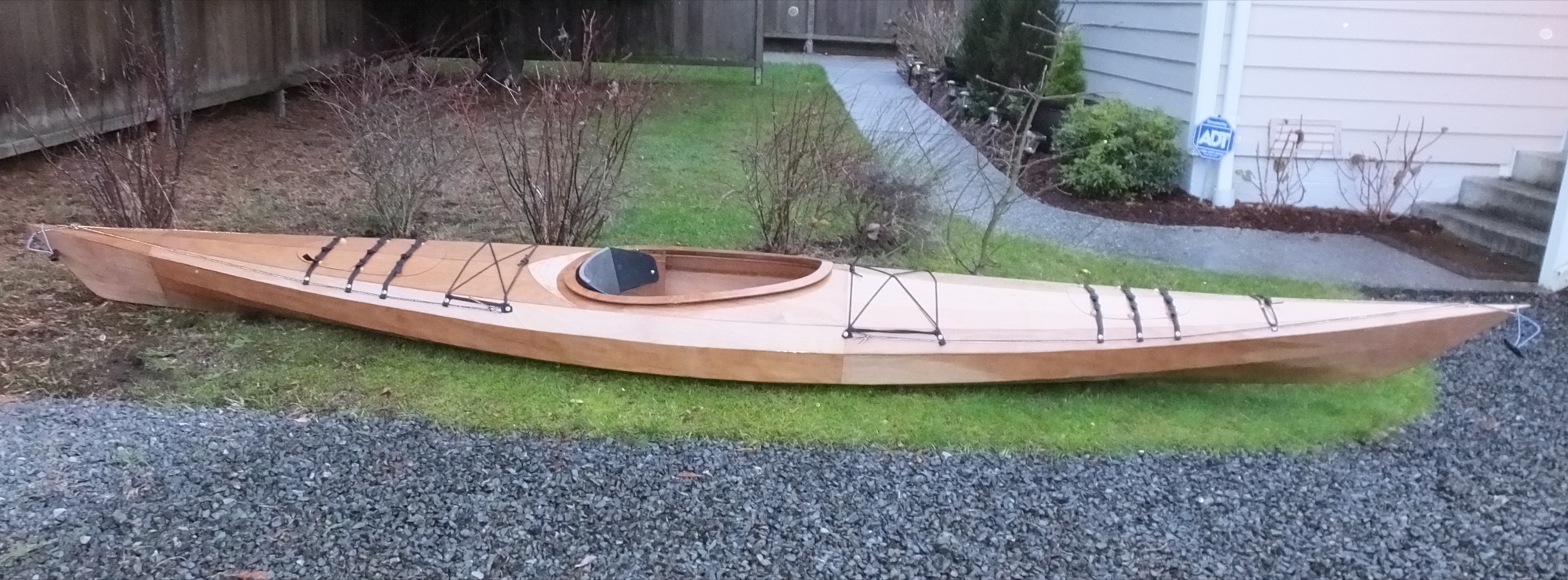
Stitch and Glue Boat Plans: Beyond the Basics â€" Unveiling Hidden Potential
Stitch and glue boatbuilding, a method prized for its relative simplicity and affordability, often evokes images of straightforward designs. But what if we peeled back the layers of the familiar and explored the untapped creative potential nestled within these seemingly simple plans? This article delves beyond the usual tutorials, addressing often-overlooked aspects and presenting new perspectives for both seasoned builders and enthusiastic newcomers.
Beyond the Blueprint: Reimagining Classic Designs
Most stitch-and-glue plans provide a solid foundation, but they’re also invitations to personalize. Instead of simply following the lines, let’s consider some unconventional twists.
Q: How can I infuse modern aesthetics into a traditional stitch-and-glue design?
A: Consider integrating contemporary materials. Think beyond traditional marine plywood. Experiment with lightweight composites like carbon fiber or fiberglass reinforcements in strategic areas for increased strength and reduced weight (remember to thoroughly research compatibility and application techniques!). You could also play with contrasting wood veneers or paint schemes for a unique visual impact. For instance, a classic clinker-style boat could be dramatically updated with a vibrant, modern paint job and sleek, minimalist hardware.
Q: Can I adapt existing plans for different water conditions?
A: Absolutely! While a plan might be designed for calm lakes, a few modifications can make it suitable for coastal waters. Consider reinforcing the hull bottom with extra layers of plywood or incorporating a deeper keel for improved stability in choppier conditions. Researching local water conditions and consulting with experienced boat builders is crucial here. Data on average wave height and wind speed in your chosen boating area, readily available online from meteorological services, will inform your decisions.
Material Matters: Exploring Untapped Resources and Techniques
The choice of materials significantly impacts the final product's performance and longevity. Let's move beyond the standard recommendations.
Q: Are there sustainable alternatives to traditional marine plywood?
A: Yes! Bamboo plywood is a rapidly renewable resource that offers impressive strength-to-weight ratios. Reclaimed wood, when properly treated, can add character and reduce environmental impact. However, it's essential to ensure these materials are adequately treated against moisture and rot to guarantee the boat's lifespan. Research on the durability and suitability of various sustainable wood types is crucial and readily available from forestry organizations and material science journals.
Q: How can I optimize the gluing process for superior results?
A: Beyond simply following the instructions, explore advanced gluing techniques. Using a vacuum bagging system can create incredibly strong and consistent bonds, minimizing voids and maximizing strength. This method, while requiring additional equipment, yields significant improvements in structural integrity, especially crucial for larger or more ambitious projects. Research on vacuum bagging techniques can be easily accessed through online forums and boatbuilding communities.
The Human Element: Learning and Collaboration
Building a boat is a journey, not just a project. Let's consider the often-underestimated social and educational aspects.
Real Story: I once met a retired teacher who, after years of woodworking as a hobby, decided to build a small sailboat using stitch-and-glue plans. He organized a "boat building club" at his local community center, involving younger generations and fostering a shared passion for craftsmanship. This collaborative approach not only resulted in a beautiful boat but also created a strong sense of community and mentorship.
This story highlights the potential of stitch-and-glue boatbuilding as a tool for education and community engagement. Educational institutions can incorporate such projects into curriculum to teach practical skills, teamwork, and problem-solving. The collaborative nature of the process also allows for knowledge exchange between experienced and novice builders.
By embracing these unconventional approaches and innovative perspectives, we can elevate the seemingly simple stitch-and-glue method into a dynamic and rewarding creative endeavor. The possibilities are limited only by our imagination.


