DIY Guide to Building a Wooden Boat for Lakes and Rivers

,
DIY Guide to Building a Wooden Boat for Lakes and Rivers

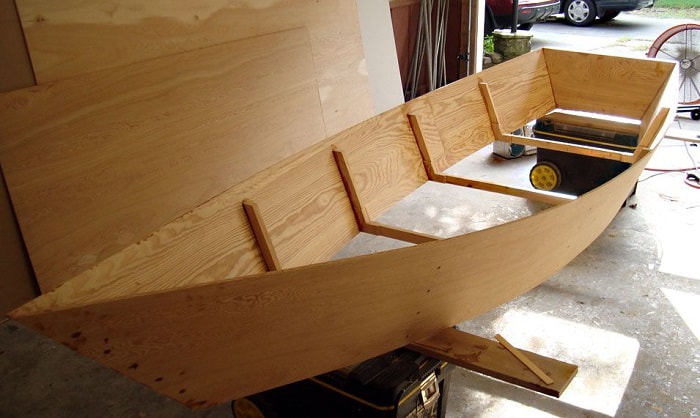
Building Your Own Wooden Boat: A DIY Guide for Lakes and Rivers

Hey there, fellow water enthusiasts! Ever dreamed of gliding across a tranquil lake or navigating a winding river in a boat you built yourself? It's not as daunting as it sounds. With some dedication, planning, and the right tools, you can craft your very own wooden boat that'll be the envy of the dock.

This guide is for those who are ready to embark on this rewarding journey, offering a comprehensive approach to designing, building, and launching your masterpiece. From the initial planning to the final varnish, we'll cover it all, ensuring you're well-equipped to tackle each step with confidence.

Choosing the Right Boat Design

Before diving headfirst into construction, you need to decide what kind of boat best suits your needs and the waters you'll be navigating. Consider these factors:

Type of Boat

  • Rowboat: A classic choice, perfect for leisurely paddling on calm waters.
  • Canoe: Sleek and nimble, ideal for exploring narrow waterways and enjoying a solo or tandem adventure.
  • Kayak: For those who prefer a more active paddling experience, offering excellent maneuverability and stability.
  • Dinghy: A small, open boat, often used as a tender for larger vessels or for sailing in sheltered waters.

Size and Capacity

Think about how many people you'll be taking with you and the amount of gear you'll be carrying. Make sure your boat can handle the weight comfortably.

Materials

Wooden boats can be constructed from various materials. Popular choices include:

  • Cedar: Lightweight and resistant to rot, but can be expensive.
  • Pine: Affordable and easy to work with, but prone to warping and rot.
  • Mahogany: Known for its beauty and strength, but also pricier.
  • Plywood: A durable and cost-effective option, especially for smaller boats.

Gathering the Tools and Materials

Now that you've chosen your design, it's time to gather the necessary tools and materials. Don't worry, you don't need a full woodworking shop! Start with the essentials:

Essential Tools

  • Hand saw: For cutting lumber.
  • Circular saw: For more efficient and precise cuts.
  • Drill: For creating pilot holes and securing fasteners.
  • Screwdriver: For assembling components.
  • Clamps: To hold pieces together during construction.
  • Measuring tape: For precise measurements.
  • Level: To ensure the boat is level and symmetrical.
  • Safety glasses: Protect your eyes from flying debris.
  • Dust mask: Prevent inhaling sawdust.

Materials

  • Lumber: Based on your chosen design and material.
  • Marine plywood: For the hull and deck (if applicable).
  • Epoxy resin and hardener: For watertight sealing and structural bonding.
  • Fiberglass cloth: For reinforcing the hull.
  • Fasteners: Screws, nails, or rivets, depending on the material.
  • Wood glue: For bonding wooden components.
  • Paint or varnish: To protect and beautify your boat.
  • Oars or paddles: For propulsion.

Building the Boat: Step by Step

With your tools and materials ready, it's time to embark on the construction process. This may seem daunting, but by breaking it down into manageable steps, you'll be surprised how quickly your boat takes shape:

1. Frame Construction

  • Cut the frame pieces: Based on your plans, cut the lumber for the boat's frame, ensuring precise measurements and angles.
  • Assemble the frame: Join the frame pieces using wood glue, screws, or nails, ensuring a secure and sturdy structure.
  • Check for squareness: Continuously use a level and measuring tape to ensure the frame is square and symmetrical.

2. Planking the Hull

  • Cut and shape the planks: Based on the plans, carefully cut and shape the planks that will form the hull, ensuring a smooth and flowing curve.
  • Attaching the planks: Start from the keel (bottom) and work your way up, attaching the planks to the frame using wood glue and fasteners.
  • Fairing the hull: Once all planks are attached, use a fairing tool to smooth out any uneven transitions and create a sleek, water-resistant surface.

3. Deck and Interior Construction

  • Cut and install deck panels: Cut and install marine plywood panels to create the deck, securing them to the frame and hull.
  • Install seats and storage: Construct and install seats and storage compartments based on your design, ensuring comfort and practicality.
  • Finishing touches: Add any additional features you want, such as cleats, oarlocks, or a rudder, ensuring they are securely attached.

4. Sealing and Finishing

  • Applying epoxy: Carefully apply multiple layers of epoxy resin to the entire hull, ensuring a watertight seal and structural integrity.
  • Fiberglassing: After the epoxy cures, apply fiberglass cloth to reinforce the hull, further enhancing its strength and water resistance.
  • Sanding and finishing: Once the epoxy and fiberglass are cured, sand the hull smooth and apply paint or varnish for protection and aesthetic appeal.

Launching Your Boat: A Moment of Triumph

With your boat complete, it's time for the moment of truth: launching it into the water! Take a moment to admire your handiwork, the culmination of your hard work and dedication.

Here are some essential tips for a smooth launch:

  • Choose a calm day: Avoid launching in rough water or strong winds.
  • Have help: Gather some friends or family to assist with launching and securing the boat.
  • Check for leaks: Before launching, carefully inspect the boat for any leaks and repair them as needed.
  • Enjoy the ride: After a successful launch, take your time and enjoy the fruits of your labor.

Commonly Asked Questions

What if I don't have woodworking experience?

No problem! Many resources, including online tutorials and books, offer step-by-step guidance for beginners. You can also join a local woodworking club or seek advice from experienced boat builders.

How much does it cost to build a wooden boat?

The cost varies depending on the size, design, and materials used. You can start with a budget-friendly option, but prices can escalate for more elaborate builds.

How long does it take to build a wooden boat?

The construction time depends on your skill level and the complexity of the design. It can range from a few weeks for a simple design to several months for a more intricate build.

Is it safe to build a boat yourself?

Building a safe boat requires meticulous attention to detail and adherence to design specifications. It's essential to follow the plans carefully and use quality materials.

Building a wooden boat is a rewarding and fulfilling experience. It's a journey of learning, creativity, and personal accomplishment. Embrace the challenge, enjoy the process, and revel in the satisfaction of having crafted your own masterpiece of the water!

Read more →

Houseboat Plans for Reliable Floating Homes for Recreation

,
Houseboat Plans for Reliable Floating Homes for Recreation

Houseboat Plans for Reliable Floating Homes for Recreation

Embark on a journey of unparalleled freedom and relaxation with a houseboat! These unique floating homes offer a blend of comfort and adventure, allowing you to explore waterways, enjoy stunning scenery, and create lasting memories. While building a houseboat requires meticulous planning, having the right houseboat plans is crucial for a successful and enjoyable experience. This article delves into the essential aspects of reliable houseboat plans, guiding you toward creating a floating oasis that fulfills your recreational dreams.

Essential Considerations for Houseboat Plans

Before you start sketching your dream houseboat, it's vital to consider factors that directly influence the design and construction.

Purpose and Usage:

Define the primary purpose of your houseboat. Are you seeking a weekend getaway vessel for fishing and watersports, a luxurious floating home for extended vacations, or a permanent residence on the water?

Size and Capacity:

Determine the ideal size and capacity for your needs. Consider the number of people who will be onboard, the amount of space required for amenities, and the overall living experience you desire.

Location and Water Conditions:

The location where you plan to use your houseboat significantly impacts design choices. Factors like water depth, current, and weather conditions must be taken into account.

Budget and Materials:

Establish a realistic budget and explore different construction materials. The chosen materials will affect the cost, durability, and maintenance requirements of your houseboat.

Key Features to Include in Your Houseboat Plans

Creating a comfortable and functional houseboat requires careful consideration of essential features.

Living Spaces:

Designate well-defined living areas, including a spacious living room, a well-equipped kitchen, and comfortable bedrooms. Consider incorporating a dining area and entertainment spaces for social gatherings.

Bathrooms and Utilities:

Include modern bathrooms with showers, toilets, and sinks. Plan for a reliable water system, including fresh water tanks, pumps, and plumbing. Implement a sewage system that complies with local regulations.

Power and Electrical Systems:

Choose a reliable power source, such as solar panels, generators, or shore power connections. Install an adequate electrical system with wiring, outlets, and lighting to meet your needs.

Navigation and Safety Features:

Equip your houseboat with essential navigation tools, including GPS, depth sounders, and radar. Include safety equipment like life jackets, fire extinguishers, and first-aid kits.

Finding Reliable Houseboat Plans

With countless options available, selecting the right houseboat plans can feel overwhelming. Fortunately, reputable sources can help you find the perfect blueprint for your floating dream home.

Online Resources:

Browse websites specializing in boat plans, such as Boat Plans USA, Marine Design, and Boat Plans Direct. These resources offer a wide range of houseboat plans, from simple designs to elaborate blueprints.

Professional Boat Designers and Architects:

Consult with experienced boat designers and architects for customized plans that cater to your unique vision. They can offer expert guidance and ensure that your houseboat meets all safety standards and regulations.

Houseboat Builders and Manufacturers:

Many houseboat builders and manufacturers offer pre-designed plans or collaborate with clients to develop customized blueprints. They provide valuable insights into construction techniques, materials, and regulations.

Building Your Own Houseboat: A Rewarding Journey

Building your own houseboat is a challenging yet deeply rewarding experience. With meticulous planning and skilled execution, you can create a floating oasis that reflects your personality and preferences.

Remember to consult with local authorities and obtain necessary permits before starting construction.

Key Steps in Houseboat Construction:

  • Laying the Hull: Begin by constructing the sturdy base of your houseboat.
  • Framing the Structure: Build a strong frame to support the interior and exterior of your houseboat.
  • Installing Systems: Implement the plumbing, electrical, and mechanical systems.
  • Finishing Touches: Apply the interior and exterior finishes, such as paint, flooring, and cabinetry.
  • Enjoying the Freedom of a Houseboat

    Owning a houseboat opens doors to countless possibilities. Explore breathtaking waterways, enjoy water sports, immerse yourself in nature, and create lasting memories with loved ones. Let your houseboat be your personal sanctuary, a place where you can unwind, reconnect with yourself, and embrace the joy of life on the water.

    Read more →

    The Best Wood Boat Plans for Every Skill Level

    ,
    The Best Wood Boat Plans for Every Skill Level

    The Best Wood Boat Plans for Every Skill Level

    Have you ever dreamed of building your own boat? The smell of fresh wood, the feel of smooth, hand-planed surfaces, and the satisfaction of seeing your creation come to life on the waterâ€"it's a truly rewarding experience. But where do you even begin? Choosing the right boat plans is crucial. The good news is there's a plan out there for everyone, regardless of your skill level or experience.

    We're here to guide you through the world of wood boat plans, matching you with the perfect project for your woodworking abilities. Whether you're a seasoned craftsman or a curious beginner, we've got you covered.

    Beginner-Friendly Boat Plans

    For those just starting their woodworking journey, it's important to choose a project that's both achievable and enjoyable. Here are some beginner-friendly boat plans to get you started:

    Rowboats

    Rowboats are a classic choice for beginners. Their simple design and relatively small size make them a manageable project. You'll learn fundamental woodworking skills like cutting, joining, and shaping wood, without being overwhelmed by complex techniques. Popular rowboat plans include:

    • The **"Simple Rowboat"** by Glen-L. This plan is designed for beginners and features easy-to-follow instructions and a basic design.
    • The **"Cape Dory 11"** by Cape Dory. This plan offers a slightly more intricate design, but still within the reach of a beginner.

    Kayaks

    Building a kayak can be a fantastic learning experience, and there are plenty of plans tailored to beginners. Kayaks offer a manageable size and a great opportunity to hone your woodworking skills, especially with the shaping of the hull.

    • The **"Seabird"** by Chesapeake Light Craft. This plan features a simple design and detailed instructions, perfect for first-time builders.
    • The **"Clam"** by Chesapeake Light Craft. This plan offers a slightly more advanced design but is still suitable for beginners with a bit of woodworking experience.

    Intermediate-Level Boat Plans

    Once you've gained some confidence and experience with basic boatbuilding, you can move on to more challenging projects. Intermediate-level plans offer a blend of complexity and satisfaction. They'll push your skills further while providing a rewarding experience.

    Dinghies

    Dinghies are small, versatile boats perfect for exploring shallow waters or serving as tenders for larger vessels. They're more complex than rowboats, requiring more intricate cuts and joinery, making them ideal for those looking for a challenge.

    • The **"West Wight Potter 15"** by West Wight Potter. This plan offers a classic dinghy design with a focus on simplicity and efficiency.
    • The **"Melges 15"** by Melges. This plan features a more modern design and a high-performance hull, ideal for experienced builders looking for a challenge.

    Small Sailboats

    Building a small sailboat can be a truly rewarding experience. These projects introduce you to new challenges, like working with sails and rigging, and offer the thrill of sailing your own creation.

    • The **"Wee Lassie"** by Glen-L. This plan features a simple and classic design, perfect for those new to sailboat construction.
    • The **"Daybreak"** by Chesapeake Light Craft. This plan offers a more intricate design and a larger sail area, providing a challenging yet satisfying build.

    Advanced-Level Boat Plans

    If you're a seasoned woodworker with years of experience under your belt, you're ready to tackle the most challenging and rewarding boatbuilding projects. Advanced-level plans often feature complex designs, intricate details, and demanding techniques, requiring a high level of skill and precision.

    Larger Sailboats

    Building a larger sailboat is a monumental project, requiring meticulous attention to detail and a deep understanding of marine construction. It's an ambitious undertaking, but the reward of sailing your own creation is unparalleled.

    • The **"Venture 22"** by Venture Sailboats. This plan features a classic, seaworthy design and a proven track record, ideal for experienced builders.
    • The **"Whaler 25"** by Chesapeake Light Craft. This plan offers a modern and efficient design, perfect for those seeking a performance-oriented sailboat.

    Custom Designs

    For the most ambitious woodworkers, the ultimate challenge is designing and building a truly unique vessel. This requires extensive knowledge of naval architecture, boatbuilding techniques, and the ability to translate your vision into a detailed plan. While it's a demanding undertaking, the satisfaction of creating a one-of-a-kind boat is truly unmatched.

    Choosing the Right Boat Plans

    Now that you have an idea of the different boat plans available, how do you choose the perfect one for you? Consider these factors:

    • Your Skill Level: Be honest about your experience. Choosing a project that's too challenging can lead to frustration, while one that's too simple might not provide enough satisfaction.
    • Time Commitment: Boatbuilding takes time and dedication. Factor in your available time and plan accordingly.
    • Budget: Materials, tools, and potential assistance can add up. Have a realistic budget in mind before selecting a plan.
    • Intended Use: What will you use your boat for? Rowing, sailing, fishing, or simply enjoying a leisurely cruise? Choose a plan that fits your intended use.
    • Plan Quality: Look for well-written plans with clear instructions, detailed diagrams, and comprehensive materials lists.

    Where to Find Boat Plans

    There are numerous resources for finding boat plans:

    • Boatbuilding Supply Companies: Glen-L, Chesapeake Light Craft, and West Wight Potter are renowned for their high-quality boat plans.
    • Online Boatbuilding Forums: Forums like WoodenBoat and The Wooden Boat Forum are great places to connect with other woodworkers, exchange ideas, and find plans.
    • Boatbuilding Books: Books like "The Amateur Boatbuilder" by George C. Day and "Boatbuilding: A Complete Handbook" by Howard I. Chapelle offer valuable insights and plans.

    Commonly Asked Questions

    Here are some common questions about boat plans:

    What are the different types of boat plans?

    Boat plans come in various formats, including:

    • Full-Size Plans: These plans are drawn to scale and can be used directly to cut and shape the boat's parts.
    • Scaled Plans: These plans are reduced in size but still show all the necessary details. They require some scaling up before use.
    • Digital Plans: These plans are available in digital formats like PDF and can be printed or viewed on a computer.

    What materials do I need to build a boat?

    The materials needed will vary depending on the boat plan. Common materials include:

    • Wood: Marine-grade plywood, cedar, mahogany, and oak are popular choices.
    • Epoxy: Used for bonding and sealing.
    • Fiberglass: For strengthening and waterproofing.
    • Fasteners: Marine-grade screws, bolts, and rivets.

    What tools do I need?

    The necessary tools will vary depending on the project, but some essential tools include:

    • Saw: Circular saw, table saw, jigsaw.
    • Drill: Cordless drill with various bits.
    • Plane: Hand plane or power plane.
    • Sanding Tools: Sander, sandpaper.
    • Measuring Tools: Tape measure, ruler, protractor.

    How long does it take to build a boat?

    The time it takes to build a boat varies greatly depending on the size, complexity, and your skill level. It can take anywhere from a few weeks to several months or even years for more ambitious projects.

    Can I get help building my boat?

    Yes, there are many resources available for assistance:

    • Boatbuilding Classes: Many woodworking schools and community colleges offer boatbuilding classes.
    • Boatbuilding Clubs: Joining a local boatbuilding club can provide access to experienced builders, shared tools, and a supportive community.

    Building your own boat is a rewarding and unforgettable experience. By carefully selecting the right plans and taking your time, you can turn your dream of boat ownership into a reality. Happy building!

    Read more →

    Free Houseboat Plans for First-Time Boat Builders

    ,
    Free Houseboat Plans for First-Time Boat Builders

    Free Houseboat Plans for First-Time Boat Builders: A Guide to Your Floating Dream

    The allure of a houseboat is undeniable. Imagine waking up to breathtaking sunrises over the water, enjoying your morning coffee on a spacious deck, and spending your days exploring hidden coves and tranquil waterways. But the prospect of building a houseboat can seem daunting, especially for first-time boat builders. Thankfully, free houseboat plans exist, offering an accessible path to realizing your floating dream.

    This guide will walk you through the process of finding and utilizing free houseboat plans, providing essential tips and considerations for a successful build. Whether you're a seasoned craftsman or a novice DIY enthusiast, this information will empower you to embark on your houseboat journey with confidence.

    The Benefits of Free Houseboat Plans

    Free houseboat plans offer numerous advantages for first-time builders:

    Cost Savings:

    By utilizing free plans, you eliminate the significant expense of purchasing professionally designed blueprints. This allows you to allocate your budget towards essential materials and construction elements.

    Customization Opportunities:

    Free plans often provide a flexible framework that you can customize to your specific needs and preferences. You can modify the dimensions, layout, and features to create a houseboat that perfectly aligns with your vision.

    Learning Experience:

    Building a houseboat from free plans offers a valuable learning experience. You'll gain hands-on knowledge of boat construction, design principles, and problem-solving skills.

    Where to Find Free Houseboat Plans

    The internet is a treasure trove of free houseboat plans. Explore these online resources:

    Boat Design Websites:

    Many boat design websites offer free plans for various types of vessels, including houseboats. Search for websites specializing in boat building and look for sections dedicated to free plans.

    Online Forums and Communities:

    Join online forums and communities dedicated to boat building. Members often share free plans, provide support, and offer valuable advice.

    Public Libraries and Archives:

    Your local library may have a collection of books and resources on boat building, including free plans. Also, explore online archives and historical societies for historical houseboat designs.

    Essential Considerations for First-Time Builders

    While free houseboat plans can be a fantastic starting point, it's crucial to approach the project with careful planning and realistic expectations. Consider these key points:

    Skill Level:

    Honestly assess your woodworking and boat building skills. Choose plans that align with your capabilities and experience. Don't be afraid to seek guidance from experienced builders if needed.

    Materials and Costs:

    Research the cost of materials, including lumber, hardware, and finishes. Create a detailed budget and factor in unexpected expenses.

    Safety Regulations:

    Familiarize yourself with local boating regulations and safety standards. Ensure your houseboat meets all necessary requirements for construction, registration, and operation.

    Time Commitment:

    Building a houseboat is a significant undertaking that requires time and dedication. Estimate the project duration realistically and plan accordingly.

    The Joy of Building Your Floating Dream

    Building a houseboat from free plans is a challenging yet rewarding journey. With careful planning, perseverance, and a touch of creative ingenuity, you can transform your dreams into a unique and personalized floating sanctuary. As you navigate the construction process, embrace the challenges, learn from your experiences, and enjoy the satisfaction of creating something truly special.

    Read more →

    How to Build a Wooden Powerboat with Simple Instructions

    ,
    How to Build a Wooden Powerboat with Simple Instructions

    Building Your Own Wooden Powerboat: A Comprehensive Guide

    Building a wooden powerboat is a challenging yet rewarding endeavor. It requires patience, attention to detail, and a passion for working with wood. This guide will walk you through the process, offering simple instructions and practical tips for a successful build.

    Planning Your Boat

    Before you start, carefully consider the purpose and design of your boat. Factors to think about include:

    Boat Type

    What kind of boat do you want to build? Will it be a small dinghy, a sleek racing hull, or a comfortable cruiser? Research different designs and choose one that fits your needs and skill level.

    Size and Dimensions

    Determine the length, width, and draft of your boat. These dimensions will impact the boat's performance and stability.

    Materials

    Choose the right wood for your boat. Marine plywood is an excellent choice for its strength and durability. You'll also need epoxy, fiberglass cloth, paint, and hardware.

    Tools

    Gather the necessary tools, including saws, planers, sanders, drills, clamps, and a router.

    Building the Hull

    The hull is the foundation of your boat. Here's how to construct it:

    Creating the Frames

    Cut and shape the frames (ribs) of your boat according to your design plans. Use marine plywood for these frames, ensuring that the grain runs lengthwise for maximum strength.

    Assembling the Frames

    Attach the frames to a building jig or strong workbench. Use epoxy and screws to join the frames together, creating the basic shape of the hull.

    Adding the Planking

    Cut the planking boards to size and attach them to the frames. You can use a variety of methods, such as stitching, screw fastening, or epoxy bonding.

    Fairing the Hull

    Once the planking is complete, use a sander and fairing compound to smooth out any irregularities in the hull. This process ensures a smooth and efficient hull shape.

    Finishing Touches

    After building the hull, you'll need to add the final touches to your boat:

    Applying Epoxy and Fiberglass

    To protect the wood and add strength, apply epoxy resin and fiberglass cloth to the hull. This creates a watertight and durable barrier.

    Adding Deck and Superstructure

    Construct the deck and any other necessary structures, such as a cabin or cockpit. Make sure to incorporate adequate ventilation and drainage.

    Painting

    Choose a suitable marine paint to protect your boat and give it a beautiful finish. Apply multiple coats for lasting protection.

    Installing Engine and Hardware

    Mount the engine to the transom and install all necessary hardware, such as steering, lights, and electrical systems.

    Important Tips

    Here are some additional tips to ensure a successful boat build:

  • Work in a clean and well-ventilated area.
  • Use high-quality materials designed for marine use.
  • Pay attention to detail and follow your plans carefully.
  • Test the boat thoroughly before taking it out on the water.
  • Building a wooden powerboat is a demanding but highly satisfying project. With careful planning, dedication, and the right tools, you can create a beautiful and functional boat that you'll enjoy for years to come.

    Read more →

    Free Downloadable Dinghy Plans for Weekend DIY Projects

    ,
    Free Downloadable Dinghy Plans for Weekend DIY Projects

    Free Downloadable Dinghy Plans for Weekend DIY Projects

    Want to build a boat but don't know where to start? Well, you've come to the right place! Building a dinghy is a fantastic weekend project for those who love to work with their hands. Not only is it a rewarding experience, but it can also be a cost-effective way to get on the water. The best part? You can find free downloadable dinghy plans online, making it even more accessible!

    But where do you find these plans and how do you choose the right one for you? Don't worry, I'm here to break it down. Let's dive into the world of free dinghy plans and get you started on your DIY adventure.

    Why Choose a Dinghy?

    Dinghies are small, lightweight boats that are perfect for a variety of uses, from fishing and exploring to sailing and rowing. Here are some reasons why they're a great choice for a DIY project:

    • Smaller Scale: Dinghies are generally smaller than larger boats, which makes them easier to build and handle. This is especially beneficial for beginners.
    • Simpler Design: Dinghy plans tend to be less complex than those for larger boats, making them easier to understand and execute.
    • Affordable Materials: The materials needed to build a dinghy are typically more affordable than those required for larger vessels.
    • Versatility: You can use a dinghy for multiple purposes, including recreational activities, tendering, and even as a small sailboat.

    Finding Free Dinghy Plans

    The internet is a treasure trove of free dinghy plans! There are countless resources available to help you get started. Here are some of the best places to look:

    Boat Building Forums

    Online forums dedicated to boat building are excellent resources for finding free plans and connecting with experienced builders. You can find tips, advice, and even complete plan sets from fellow boat enthusiasts.

    Websites Dedicated to Free Boat Plans

    Several websites specialize in offering free boat plans, including dinghies. These sites often categorize plans by boat type, size, and design, making it easy to find what you're looking for. Look for websites with names like "Free Boat Plans", "Boat Design", or similar terms.

    Libraries and Archives

    Don't forget about traditional resources! Libraries and archives sometimes hold collections of old boat plans, including dinghy designs. Check with your local library or historical society to see what they have available.

    Choosing the Right Dinghy Plan

    With so many free dinghy plans out there, choosing the right one can be overwhelming. Consider the following factors:

    • Your Skill Level: If you're a beginner, start with a simpler plan. More complex plans require more experience and advanced woodworking skills.
    • Desired Size and Use: Determine how big you want your dinghy to be and what you'll primarily use it for. Fishing, sailing, or just leisurely paddling will influence your choice.
    • Material Preferences: Plans often specify the materials you'll need. Consider your budget and the availability of materials in your area.
    • Plan Availability: Make sure the plan is complete and provides clear instructions, diagrams, and materials lists. Look for plans that offer good support resources, like online forums or tutorials.

    Building Your Dinghy: Essential Steps

    Once you've chosen your plan, get ready for an exciting DIY adventure! Here are some essential steps to guide you through the process:

    Step 1: Gather Materials and Tools

    Before you start building, make sure you have all the necessary materials and tools. The plan will specify the materials, but you may need to adjust based on your local availability. Common materials include:

    • Plywood or marine-grade plywood
    • Wood strips (for planking)
    • Epoxy resin
    • Fiberglass cloth
    • Marine paint
    • Hardware (fasteners, cleats, oarlocks, etc.)

    Tools you'll need might include:

    • Circular saw
    • Jigsaw
    • Hand tools (hammers, screwdrivers, clamps, etc.)
    • Sanding tools
    • Measuring tapes, rulers, and squares
    • Safety gear (gloves, eye protection, dust masks)

    Step 2: Follow the Plans Carefully

    The plans are your blueprint, so follow them meticulously. Carefully measure and cut the wood to the exact dimensions specified. Take your time and make sure each piece fits together precisely. Don't be afraid to ask for help if you need it!

    Step 3: Construct the Hull

    The hull is the foundation of your dinghy. It's where the majority of your building time will be spent. The plan will guide you on how to construct the frame, planks, and any necessary stiffeners.

    Step 4: Apply Epoxy and Fiberglass

    Once the hull is built, it's time to seal and strengthen it with epoxy and fiberglass. This will create a watertight and durable shell for your dinghy.

    Step 5: Finish the Interior and Exterior

    After the epoxy and fiberglass have cured, you can finish the interior and exterior of your dinghy. This involves sanding, painting, and adding any necessary hardware.

    Step 6: Launch and Enjoy!

    With your dinghy complete, it's time to launch it and enjoy your hard work! Remember to take it easy at first and familiarize yourself with handling it on the water.

    Tips for Building Your Dinghy

    • Plan ahead: Before you start, gather all your tools, materials, and equipment in one place. Also, make sure you have adequate workspace and time for the project.
    • Don't rush: Building a boat takes time and patience. Don't be discouraged if you encounter challenges along the way. Take your time and enjoy the process!
    • Seek guidance: Don't be afraid to reach out to experienced boat builders for advice or to ask for help with specific tasks. There are many online forums and resources where you can connect with others.
    • Celebrate your achievements: Take pride in your work and celebrate each milestone! Building a boat is a significant accomplishment, and you should enjoy the journey.

    Commonly Asked Questions

    What's the best wood to use for building a dinghy?

    The best wood for building a dinghy depends on your budget and the type of dinghy you're building. Marine-grade plywood is a common choice for its strength, stability, and resistance to moisture. Other options include cedar, mahogany, and oak.

    How long does it take to build a dinghy?

    The time it takes to build a dinghy varies depending on the complexity of the plan, your skill level, and the amount of time you can devote to the project. A simple dinghy could take a few weekends, while a more complex one might take several months.

    Do I need any special tools to build a dinghy?

    While you can build a dinghy with basic tools, some specialized tools can make the process easier and more efficient. These include a circular saw, a jigsaw, and a drill press. Consider renting or borrowing these tools if you don't own them.

    What are the safety precautions when building a boat?

    Always prioritize safety when building a boat. Wear safety glasses, gloves, and dust masks when working with wood and other materials. Use proper lifting techniques when handling heavy objects, and make sure your work area is well-ventilated.

    Building a dinghy can be a challenging but incredibly rewarding project. With free downloadable plans and the right resources, you can create your own vessel and enjoy the thrill of being on the water. So, grab your tools, gather your materials, and get ready for a fun and fulfilling DIY adventure!

    Read more →

    10 Tips for Finding the Best Wooden Boat Plans Online

    ,
    10 Tips for Finding the Best Wooden Boat Plans Online

    10 Tips for Finding the Best Wooden Boat Plans Online

    The allure of building a wooden boat from scratch is undeniable. It's a project that combines craftsmanship, woodworking skills, and a deep appreciation for maritime history. But before you embark on this rewarding journey, you need the right blueprints - the foundation of your boat-building endeavor. With countless plans available online, choosing the best ones can feel overwhelming. This article will equip you with ten essential tips to guide your search, ensuring you find the perfect wooden boat plans to match your skills, aspirations, and budget.

    1. Define Your Project Scope

    Before you start browsing online boat plans, it's crucial to have a clear vision of what you want to build. This involves answering several fundamental questions:

    What Type of Boat?

    • Rowboat: Simple, affordable, ideal for solo paddling or leisurely outings.
    • Sailboat: Offers a more dynamic experience, but requires additional knowledge and skills.
    • Motorboat: Provides more power and speed, but necessitates engine selection and installation expertise.
    • Kayak or Canoe: Smaller and more nimble, great for exploring waterways.

    What Size and Capacity?

    Consider the number of people you'll be accommodating and the intended use (fishing, cruising, racing, etc.). Plans will usually specify dimensions and weight capacities.

    What Skill Level Are You Comfortable With?

    Be honest about your woodworking experience. Beginner plans often involve simpler designs, while advanced plans may require intricate joinery and specialized techniques.

    What Is Your Budget?

    Factor in the cost of materials, tools, and any additional services like engine installation or rigging. Plans themselves might have a cost associated with them, ranging from free to several hundred dollars.

    2. Explore Reputable Online Resources

    The internet offers a vast collection of wooden boat plans, but it's essential to source them from trustworthy sources. Here are some reputable platforms to explore:

    • Boat Design Websites: Websites specializing in boat plans, like Glen-L Marine, Chesapeake Light Craft, and WoodenBoat.com, offer a wide selection of designs.
    • Online Boat Forums: Communities like WoodenBoat Forum and The Wooden Boat Builder's Forum are excellent for finding recommendations and connecting with experienced builders.
    • Boatbuilding Associations: Organizations like the American Boat and Yacht Council (ABYC) and the American Canoe Association (ACA) may have resources or links to reputable plan providers.

    3. Seek Out Detailed and Comprehensive Plans

    Don't settle for plans that are incomplete or lack essential details. The right plans should guide you through every step of the building process, from the initial cut list to the final finishing touches.

    • Detailed Drawings: Look for plans with clear, accurate drawings of the boat's hull, deck, and other components. Scaled drawings are particularly helpful for visualizing and measuring.
    • Construction Instructions: Comprehensive instructions are vital for a successful build. They should cover every stage, from framing to planking, and explain techniques, materials, and any specific tools required.
    • Materials List: A detailed materials list will ensure you have everything you need, preventing delays and frustration.
    • Cut List: This is a valuable time-saver, providing precise dimensions for cutting wood and ensuring accuracy in the construction process.
    • Technical Specifications: Plans should include crucial details like displacement, draft, sail area (for sailboats), and weight. This information helps you understand the boat's performance capabilities and limitations.

    4. Check for Revisions and Updates

    Ensure the plans you choose are current and have been updated to reflect any technological advancements or design improvements since they were originally published.

    • Revision Dates: Look for information on the last update or revision date to guarantee you're working with the most up-to-date version.
    • Feedback and Reviews: Online forums or reviews from other builders can provide valuable insights about potential problems or design flaws that may have been addressed in later revisions.

    5. Consider the Designer's Reputation

    Not all boat designers are created equal. A designer with a strong track record of successful boats and satisfied customers is more likely to have produced reliable plans. Here's how to assess a designer's credibility:

    • Experience and Portfolio: Research the designer's background and look for evidence of previous boat designs and awards. A well-established designer with a proven track record can offer confidence in their work.
    • Client Testimonials: Read reviews and testimonials from other builders who have used the designer's plans. Positive feedback can be a good indicator of their expertise and the quality of their designs.
    • Membership in Professional Organizations: Designers affiliated with reputable boatbuilding associations or design organizations are likely to adhere to industry standards and best practices.

    6. Choose Plans That Align With Your Skill Level

    Building a wooden boat is a rewarding but demanding undertaking. It's crucial to be realistic about your skills and experience. Avoid plans that are too ambitious for your current capabilities.

    • Beginner Plans: These typically feature simpler designs, straightforward construction techniques, and clear instructions, making them ideal for those new to boatbuilding. Look for plans labeled as "beginner-friendly" or "first-time builder."
    • Intermediate Plans: These may involve more complex joinery, curved surfaces, or specific techniques, requiring some prior experience in woodworking and boatbuilding.
    • Advanced Plans: These designs often incorporate intricate details, challenging construction methods, and advanced materials, aimed at experienced builders with a high level of skill.

    7. Request Samples or Excerpts

    Before you commit to purchasing a full set of plans, ask the provider for samples or excerpts. This allows you to assess the quality of the drawings, instructions, and overall presentation. You can also get a sense of the designer's style and approach to boatbuilding.

    8. Seek Out Community Support

    Joining online forums or local boatbuilding clubs can provide invaluable support during your project. Connect with experienced builders who can offer advice, answer questions, and help you troubleshoot challenges.

    9. Don't Overlook Free or Affordable Options

    While some boat plans can be expensive, there are also free or affordable options available. Consider these resources:

    • Free Plans: Websites like "Boat Plans Free" and "Free Boat Plans" offer a selection of free plans for various boat types, though these may not be as detailed as paid plans.
    • Public Domain Plans: Many historical boat designs are in the public domain, meaning you can download and use them for free. Search online for "public domain boat plans" to explore these options.
    • Affordable Plans: Look for plans offered by smaller designers or independent publishers that might be more budget-friendly than those from major boat design companies.

    10. Be Patient and Persistent

    Finding the perfect wooden boat plans is not always a quick process. Be patient in your research, explore different options, and don't hesitate to ask questions. With persistence and a discerning eye, you'll eventually find the blueprints that will guide you to build your dream wooden boat.

    Read more →