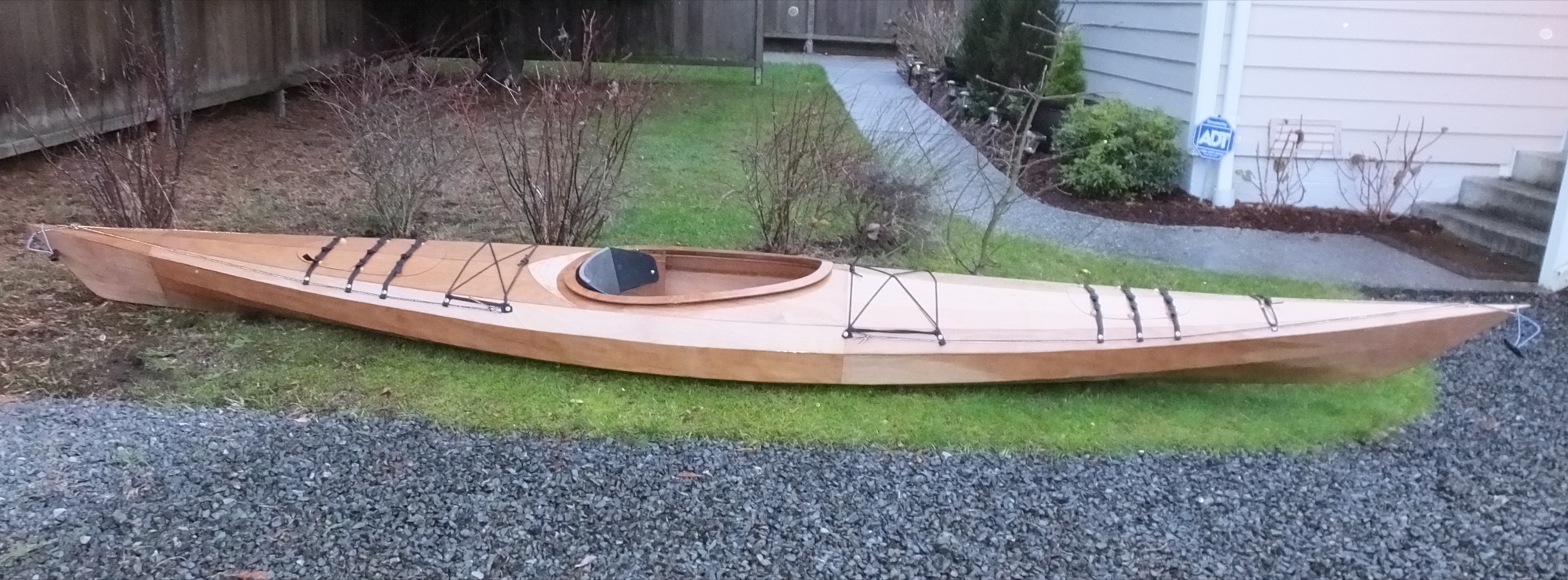
How to Craft a Plywood Boat with Professional-Grade Plans

,
How to Craft a Plywood Boat with Professional-Grade Plans

Beyond the Plans: Uncharted Waters in Plywood Boatbuilding

“How to Craft a Plywood Boat with Professional-Grade Plans” promises a straightforward path to nautical bliss. But for the seasoned hobbyist or the curious newcomer, the real adventure often lies beyond the meticulously drawn lines. This review delves into the often-overlooked aspects of plywood boat construction, offering fresh perspectives and creative solutions rarely found in standard guides.

Beyond the Blueprint: The Unsung Heroes of Plywood Selection

Most guides focus on the *type* of plywood, but what about the specific source? The subtle variations in wood density, grain orientation, and even the adhesive used can dramatically impact the boat’s performance and longevity. Imagine this: two boats built to identical plans, yet one handles chop better, stays drier, and requires less maintenance. The difference? One builder sourced plywood known for its tight grain from a sustainably managed forest, the other used a less consistent, commercially available option.

Q&A: Unlocking Plywood's Potential

Q: How can I ensure consistent plywood quality across a large project?

A: Don’t just rely on the grade designation. Visit the lumberyard, inspect the sheets yourself, and consider requesting samples from different batches to test for consistency in weight, moisture content, and grain structure. A moisture meter is your new best friend.

Q: Are there "hidden" advantages to specific plywood types beyond marine-grade?

A: Absolutely. For example, certain sustainably harvested hardwoods offer superior rot resistance and strength-to-weight ratios, possibly even exceeding some traditional marine plywood choices. Research lesser-known species suitable for your climate and application.

The Art of the Joint: Beyond Simple Butt Joints

The plans might depict simple butt joints, but experienced builders know the crucial role of robust joinery in a plywood boat’s strength and watertight integrity. A well-executed scarf joint, for instance, distributes stress far more efficiently than a simple butt joint, offering superior longevity and resistance to hull flexing.

Case Study: A Scarfed Success Story

My friend, a seasoned kayak builder, once told me about a client whose simple plywood kayak suffered a catastrophic hull failure after just a few months of use. The culprit? Weak butt joints at the stern. A redesign incorporating strategically placed scarf joints solved the problem, resulting in a far more durable and reliable vessel. The extra effort in joinery significantly improved the boat's performance and lifespan.

Beyond the Finish: Protecting Your Investment

The book might cover basic paint jobs, but superior protection goes beyond aesthetics. Consider the following:

  • Epoxy coatings: For ultimate water resistance and impact protection.
  • UV protection: Essential to prevent the degradation of both the wood and the finish.
  • Innovative finishes: Explore eco-friendly and durable alternatives like linseed oil blends or advanced polyurethane systems.

Beyond the basics: Integrating modern materials and techniques offers enhanced durability, aesthetics and environmental consciousness. The responsible sourcing of materials, creative joinery, and advanced finishing techniques elevate a plywood boat project from a simple build to a testament to craftsmanship and ingenuity.

In conclusion, while "How to Craft a Plywood Boat with Professional-Grade Plans" provides a solid foundation, true mastery comes from exploring the nuances, embracing innovation, and developing a deep understanding of the materials and techniques involved. The sea of possibilities extends far beyond the pages of any single guide.

Read more →

Best Free Wooden Boat Plans for Fishing and Recreation

,
Best Free Wooden Boat Plans for Fishing and Recreation

Beyond the Blueprint: Unveiling the Untapped Potential of Free Wooden Boat Plans

The internet teems with free wooden boat plans, promising idyllic fishing trips and leisurely paddles. But beyond the readily available designs, lies a wealth of untapped potential often overlooked by hobbyists and experienced builders alike. This review dives deeper, exploring unconventional perspectives and innovative solutions rarely discussed in the typical "build-your-own-boat" guide.

Beyond the "Free" Factor: The Hidden Costs and Unexpected Benefits

While "free" is undeniably appealing, let's dissect the true economic landscape of utilizing free wooden boat plans.

Q: Are truly free plans always the most economical option?

A: Surprisingly, no. The time invested in modifying a free plan to suit your needs, skills, and locally available timber can sometimes exceed the cost of a well-vetted, paid plan that's ready to go. Consider the "opportunity cost" â€" the money you could be earning during the extra hours spent tweaking a free design. A well-designed, paid plan might save you significant time and frustration in the long run, making it more cost-effective despite the initial outlay. This is especially true for complex designs or if you value your time highly.

Q: What are the hidden “benefits” of choosing a less-than-perfect free plan?

A: The challenges inherent in adapting a less-than-ideal free plan can be a surprising boon for your woodworking skills. Problem-solving, adapting to material limitations, and developing innovative solutions all contribute to a deeper understanding of boat building principles. You might even develop a truly unique and personalized design in the process. This hands-on learning surpasses the benefits of simply following a straightforward, ready-made plan.

Sustainable Boatbuilding: Beyond the Typical Timber Choices

Many free plans focus on traditional hardwoods. But what about exploring more sustainable and readily available alternatives?

Q: Can reclaimed wood transform a free boat plan into an environmentally conscious project?

A: Absolutely! Using reclaimed wood, like old pallets (after thorough treatment and inspection) or salvaged lumber from demolition sites, drastically reduces the environmental impact. This approach can also lead to significant cost savings. However, careful selection and preparation are crucial, as reclaimed wood may have hidden defects or require specialized treatments to prevent rot and insect infestation. Resources like the Wood Database (www.wood-database.com) can help you identify suitable, sustainable options for your region.

The Story of the "Unexpected Dory": A Case Study in Adaptation

A local boat builder, John, found a free plan for a simple dory. However, his limited workshop lacked the space to build it to the original dimensions. Instead of abandoning the project, John scaled down the design by 25%, adapting it to his available resources and skillset. This led to a smaller, more manageable, and surprisingly seaworthy vessel â€" a testament to the power of creative adaptation when faced with constraints.

Educational Applications: Free Plans as a Stepping Stone

Free plans are invaluable teaching tools. They provide a practical platform for exploring concepts like buoyancy, hydrodynamics, and structural integrity. But their value extends far beyond the technical aspects.

Q: How can educators leverage free plans to cultivate problem-solving and critical thinking?

A: Instructors can present students with a free plan and then challenge them to:

  • Identify potential weaknesses in the design.
  • Suggest modifications for improved performance or safety.
  • Explore alternative materials and construction techniques.
  • Calculate the required materials and estimate the overall cost.

This approach transforms the simple act of building a boat into a comprehensive learning experience, encouraging critical thinking and problem-solving skills applicable beyond the realm of boatbuilding.

In conclusion, while free wooden boat plans offer a fantastic starting point, a deeper understanding of their limitations and potential opens up a world of creative possibilities. By considering the hidden costs, exploring sustainable alternatives, and embracing adaptive design, both hobbyists and educators can unlock the true potential of these freely available resources and craft truly unique and rewarding projects.

Read more →

How a Wooden Boat Builder Ensures Quality and Durability in Every Build

,
How a Wooden Boat Builder Ensures Quality and Durability in Every Build

Beyond the Planks: Unveiling the Secrets of Wooden Boat Building Mastery

Wooden boat building is a timeless craft, a blend of artistry and engineering. But beyond the romantic image of skilled hands shaping wood, lies a rigorous pursuit of quality and durability. This article delves beyond the commonly known techniques, exploring lesser-discussed aspects that determine the longevity and seaworthiness of a wooden vessel.

The Unsung Heroes: Material Selection and Preparation

While wood selection is often discussed, the *process* of selecting beyond the obvious is rarely highlighted. It's not just about the species, but the specific tree.

Q: How does a master builder choose the "right" timber?

A: It’s not a simple matter of picking visually appealing planks. A master builder considers several factors: the tree's growth rate (slower growth generally means denser, stronger wood), the presence of knots (their size, type, and distribution significantly impact strength), and even the tree's history â€" stress from weather or disease can weaken the wood. They often collaborate with lumber suppliers to hand-select specific logs, sometimes traveling to logging sites themselves to inspect the material in its raw state. Recent research from the University of Maine's Forest Bioproducts Research Institute indicates that analyzing the wood's cellular structure using advanced microscopy techniques can improve the prediction of its long-term performance.

Q: Beyond drying â€" what unseen treatments maximize wood life?

A: Traditional kiln drying is only part of the equation. Master builders often incorporate additional treatments like steam bending to improve the wood's flexibility and reduce stress points. Moreover, the use of environmentally friendly wood preservatives, such as those based on natural oils or borates, is gaining traction as a sustainable alternative to traditional chemical treatments. This provides durability without compromising environmental concerns, a growing focus according to reports from the International Marine Organization (IMO) on sustainable shipbuilding.

The Art of the Joint: Minimizing Failure Points

The strength of a wooden boat hinges on the quality of its joints. This is where experience and meticulous craftsmanship truly shine.

Q: How are traditional joinery techniques being enhanced?

A: While classic techniques like mortise and tenon remain crucial, modern advancements in CNC routing and 3D modeling allow for incredibly precise cuts, reducing material waste and enhancing joint strength. Some builders even employ finite element analysis (FEA) â€" a computer simulation â€" to test the structural integrity of their designs *before* a single plank is cut, minimizing potential failure points from the design stage.

Q: What role does epoxy play in modern wooden boat construction, and is it always beneficial?

A: Epoxy is a powerful adhesive, offering superior strength and water resistance. However, its over-reliance can mask poor joinery. A skilled builder uses epoxy strategically â€" to reinforce critical joints, not as a crutch for sloppy craftsmanship. The balance between tradition and technology is key. Some builders are researching bio-based epoxies to reduce the environmental impact of these powerful adhesives.

Beyond the Build: Long-Term Care and Preservation

Building a durable boat is just the first step. Ongoing maintenance is essential for longevity.

Story: A renowned Maine boat builder, known for his exceptionally long-lasting vessels, once shared that a well-maintained wooden boat can last for generations. He attributed this not only to his meticulous construction but to his emphasis on regular maintenance â€" annual inspections, timely repairs, and a deep understanding of the wood's response to the environment. He would even teach his clients the finer points of boat care, ensuring the legacy of his craftsmanship lived on.

By exploring these often-overlooked aspects, we gain a deeper appreciation for the artistry, science, and dedication required to build a truly exceptional wooden boat. It's a testament to the enduring power of traditional craftsmanship, enhanced by modern innovation and a commitment to sustainable practices.

Read more →

Wooden Boat Plans for Crafting a Boat with Custom Features

,
Wooden Boat Plans for Crafting a Boat with Custom Features

Beyond the Blueprint: Unleashing Creativity with Wooden Boat Plans

Building a wooden boat is a timeless pursuit, a blend of artistry and engineering. While countless plans exist, the real magic lies in personalizing the design, pushing beyond the limitations of pre-conceived notions. This article delves into rarely discussed aspects of crafting custom wooden boats from plans, offering new perspectives for hobbyists, professionals, and educators alike.

Question 1: Beyond Aesthetics â€" How Can I Integrate Modern Functionality into a Classic Design?

Many gravitate towards traditional wooden boat designs, but incorporating modern technologies can significantly enhance both performance and usability. Instead of simply replicating a historic vessel, consider integrating elements like:

  • Electric Propulsion Systems: Quiet, efficient electric motors are increasingly popular, allowing for eco-friendly cruising without sacrificing the classic wooden aesthetic. Several companies now offer compact, high-performance systems specifically designed for smaller vessels.
  • Integrated GPS and Navigation Systems: Discreetly integrate modern navigation tools into the design, perhaps hiding them within custom-built compartments or cleverly integrated into the helm. This seamlessly blends modern convenience with traditional charm.
  • Lightweight Composite Reinforcement: Strategic use of carbon fiber or other lightweight composites in critical stress points can enhance structural integrity without compromising the wooden hull’s visual appeal. This approach combines the best of both worlds â€" traditional craftsmanship with modern engineering.

Case Study: Consider the "Silent Siren," a restoration project where a classic wooden sailboat was retrofitted with a silent electric motor and a solar-powered charging system. The result? A stunning vessel that is both environmentally conscious and a joy to sail, proving that tradition and innovation aren’t mutually exclusive.

Question 2: How Can I Adapt Existing Plans to Unique Environmental Considerations?

Standard boat plans often neglect specific local environmental conditions. Adapting plans for your specific needs is crucial for longevity and safety. This requires a deeper understanding of:

  • Local Wood Species: Utilize readily available, sustainably harvested wood species native to your region. This reduces transportation costs and environmental impact, while offering unique aesthetic properties.
  • Water Conditions: Consider the water's salinity, currents, and potential for harsh weather. Adjust the hull design, materials, and fastenings to withstand these specific challenges. Consulting with local boatbuilders is invaluable here.
  • Regulatory Compliance: Ensure your design complies with all local boating regulations concerning hull dimensions, safety equipment, and other relevant standards. Ignoring these regulations can lead to costly modifications or even prevent the boat from being legally operated.

Example: A builder in the Pacific Northwest might opt for locally sourced cedar and incorporate additional reinforcement to withstand the region's harsh weather and strong currents. This approach demonstrates responsible resource management and increased vessel longevity.

Question 3: What are the Unexpected Challenges (and Solutions) of Customizing Wooden Boat Plans?

While customization offers endless possibilities, unforeseen hurdles can arise. For example:

  • Increased Complexity: Significant alterations can add considerable time and complexity to the building process, requiring advanced woodworking skills and potentially specialized tools.
  • Material Sourcing: Finding specific wood types, especially in unusual dimensions, can prove challenging and more expensive. Careful planning and alternative material consideration are key.
  • Structural Integrity: Altering the boat's design necessitates a thorough understanding of naval architecture to ensure structural integrity is not compromised. Seeking professional advice from a naval architect is strongly recommended.

Creative Solution: Embrace iterative design. Begin with a simple alteration and thoroughly test it before making further changes. This approach minimizes risk and helps to refine the design as you progress. Documenting each step helps identify potential problems earlier.

Building a wooden boat is a journey, a testament to human ingenuity and connection with nature. By embracing customization and actively addressing the challenges, you create a vessel that is not just a boat, but a unique reflection of your creativity and skill.

Read more →

Best Boat Plans Wooden for Aspiring Boat Builders and DIYers

,
Best Boat Plans Wooden for Aspiring Boat Builders and DIYers

Beyond the Blueprint: Unveiling Hidden Gems in Wooden Boat Plans

Building a wooden boat is a dream for many, a testament to craftsmanship and a connection with maritime history. But choosing the right plans can feel overwhelming. This article delves beyond the typical plan reviews, exploring less-discussed aspects to help you find the perfect design and navigate the build successfully.

Beyond the Aesthetics: The Unsung Heroes of Boat Plan Selection

Most reviews focus on a boat's beauty. What about the less glamorous, yet crucial, aspects?

Q: How do plans account for wood movement? This is rarely detailed.

A: Wood expands and contracts with humidity. Good plans will incorporate design features to mitigate this. Look for detailed discussions on:

  • Scarf joints vs. butt joints: Scarf joints are superior for accommodating movement in longer timbers.
  • Material selection recommendations: The plan should specify appropriate wood species with different levels of resistance to expansion/contraction.
  • Construction techniques accounting for movement: Consider designs that incorporate gaps or flexible elements to accommodate swelling and shrinking.
Lack of this detail is a red flag, hinting at a poorly-designed plan potentially leading to cracking and structural failure.

Q: What about the "buildability" factor â€" beyond just the drawings?

A: A stunning design is useless if it's impractical to build. Look for:

  • Detailed construction sequence: A well-written plan should be like a recipe, guiding you step-by-step.
  • Material lists with accurate quantities: Avoid plans with vague specifications. Precise measurements are vital.
  • Clear explanations of complex joinery: Photos, diagrams, and even videos greatly enhance understanding.
  • Consider the availability of materials: Are the specified timbers readily accessible in your region or will you need to source them from far away and at high costs?
Prioritize plans with strong emphasis on buildability; your sanity will thank you.

The Human Element: Learning from Others' Experiences

Online forums and boatbuilding communities are goldmines of real-world insights. These offer perspectives often missing from plan reviews.

Story 1: The "Forgotten Fastener" Saga

One builder shared a horror story about a plan lacking detail on a critical fastener used in the keel. He wasted weeks troubleshooting before discovering the omission, highlighting the importance of thorough plan reviews and community feedback. Always check for user reviews on forums to get unfiltered feedback.

Story 2: The Unexpected Modification Masterpiece

Another builder creatively adapted a classic design using modern materials, achieving a lighter, stronger hull. This showcases the flexibility and potential for innovation within a good plan. Don't be afraid to personalize, but always assess potential impacts on stability and safety.

Beyond the Boat: The Broader Educational Value

Building a wooden boat offers valuable lessons applicable far beyond boatbuilding itself.

For educational institutions, incorporating boatbuilding projects teaches:

  • Precision woodworking skills: From joinery to finishing, it's a comprehensive woodworking education.
  • Problem-solving and critical thinking: Unexpected challenges are inevitable, fostering adaptive skills.
  • Project management and planning: Successfully navigating a complex project hones organizational skills.
  • Application of physics and engineering principles: Understanding buoyancy, hull design, and structural integrity become tangible concepts.

Choosing the right plans is the cornerstone of a successful project. By moving beyond aesthetics and focusing on buildability, material considerations, and the wealth of information in online communities, aspiring boat builders can embark on their projects with greater confidence and achieve a rewarding experience.

Read more →

Stitch and Glue Boat Plans for Crafting a Timeless Design

,
Stitch and Glue Boat Plans for Crafting a Timeless Design

Stitch and Glue Boat Plans: Beyond the Basics â€" Unveiling Hidden Potential

Stitch and glue boatbuilding, a method prized for its relative simplicity and affordability, often evokes images of straightforward designs. But what if we peeled back the layers of the familiar and explored the untapped creative potential nestled within these seemingly simple plans? This article delves beyond the usual tutorials, addressing often-overlooked aspects and presenting new perspectives for both seasoned builders and enthusiastic newcomers.

Beyond the Blueprint: Reimagining Classic Designs

Most stitch-and-glue plans provide a solid foundation, but they’re also invitations to personalize. Instead of simply following the lines, let’s consider some unconventional twists.

Q: How can I infuse modern aesthetics into a traditional stitch-and-glue design?

A: Consider integrating contemporary materials. Think beyond traditional marine plywood. Experiment with lightweight composites like carbon fiber or fiberglass reinforcements in strategic areas for increased strength and reduced weight (remember to thoroughly research compatibility and application techniques!). You could also play with contrasting wood veneers or paint schemes for a unique visual impact. For instance, a classic clinker-style boat could be dramatically updated with a vibrant, modern paint job and sleek, minimalist hardware.

Q: Can I adapt existing plans for different water conditions?

A: Absolutely! While a plan might be designed for calm lakes, a few modifications can make it suitable for coastal waters. Consider reinforcing the hull bottom with extra layers of plywood or incorporating a deeper keel for improved stability in choppier conditions. Researching local water conditions and consulting with experienced boat builders is crucial here. Data on average wave height and wind speed in your chosen boating area, readily available online from meteorological services, will inform your decisions.

Material Matters: Exploring Untapped Resources and Techniques

The choice of materials significantly impacts the final product's performance and longevity. Let's move beyond the standard recommendations.

Q: Are there sustainable alternatives to traditional marine plywood?

A: Yes! Bamboo plywood is a rapidly renewable resource that offers impressive strength-to-weight ratios. Reclaimed wood, when properly treated, can add character and reduce environmental impact. However, it's essential to ensure these materials are adequately treated against moisture and rot to guarantee the boat's lifespan. Research on the durability and suitability of various sustainable wood types is crucial and readily available from forestry organizations and material science journals.

Q: How can I optimize the gluing process for superior results?

A: Beyond simply following the instructions, explore advanced gluing techniques. Using a vacuum bagging system can create incredibly strong and consistent bonds, minimizing voids and maximizing strength. This method, while requiring additional equipment, yields significant improvements in structural integrity, especially crucial for larger or more ambitious projects. Research on vacuum bagging techniques can be easily accessed through online forums and boatbuilding communities.

The Human Element: Learning and Collaboration

Building a boat is a journey, not just a project. Let's consider the often-underestimated social and educational aspects.

Real Story: I once met a retired teacher who, after years of woodworking as a hobby, decided to build a small sailboat using stitch-and-glue plans. He organized a "boat building club" at his local community center, involving younger generations and fostering a shared passion for craftsmanship. This collaborative approach not only resulted in a beautiful boat but also created a strong sense of community and mentorship.

This story highlights the potential of stitch-and-glue boatbuilding as a tool for education and community engagement. Educational institutions can incorporate such projects into curriculum to teach practical skills, teamwork, and problem-solving. The collaborative nature of the process also allows for knowledge exchange between experienced and novice builders.

By embracing these unconventional approaches and innovative perspectives, we can elevate the seemingly simple stitch-and-glue method into a dynamic and rewarding creative endeavor. The possibilities are limited only by our imagination.

Read more →

Wood Boat Plans for Boat Building Enthusiasts and Professionals

,
Wood Boat Plans for Boat Building Enthusiasts and Professionals

Beyond the Blueprint: Unveiling Hidden Gems in Wood Boat Plans

Building a wooden boat is a journey, a testament to craftsmanship and patience. While countless plans exist, we often overlook the nuances that can elevate a project from good to exceptional. This article delves beyond the typical plan review, exploring less-discussed aspects that can significantly impact your build â€" and your boating experience.

The Unspoken Language of Wood: Material Selection Beyond the Spec Sheet

Most plans specify wood types generically (e.g., "oak" or "cedar"). But what about the specific characteristics of the timber? The growth rate, the grain density, even the geographical origin influence the wood's properties. Ignoring these subtleties can lead to unexpected issues.

Q: How can I ensure optimal wood selection beyond standard plan recommendations?

A: Dive deeper. Instead of simply choosing "oak," specify "white oak from the Appalachian region," known for its strength and water resistance. Contact lumber suppliers directly â€" many can provide detailed information on the specific characteristics of their stock. Consider exploring less-common but suitable species. For instance, certain species of eucalyptus exhibit impressive rot resistance, offering a sustainable and potentially less costly alternative in specific applications.

Beyond the Lines: Integrating Modern Technology with Traditional Craftsmanship

The romantic image of a traditional wood boat build shouldn't blind us to the benefits of modern technology. Strategic integration can lead to both increased precision and reduced construction time.

Q: How can digital tools enhance the accuracy and efficiency of wood boat construction?

A: Computer-aided design (CAD) software allows for precise digital modeling of the boat, creating accurate cutting templates and optimizing material usage. 3D printing can produce intricate components or jigs, increasing efficiency and accuracy in shaping complex curves. Laser cutting can create perfectly sized parts from plywood, minimizing waste and ensuring precision. Even a simple digital angle finder can reduce errors during the construction process.

The Unsung Hero: Understanding Environmental Impact

Building a wooden boat is inherently linked to the environment. The choice of wood, finishing techniques, and even disposal methods have implications. This aspect is often overlooked in typical plan discussions.

Q: How can I minimize the environmental footprint of my wood boat build?

A: Prioritize sustainably sourced timber, certified by organizations like the Forest Stewardship Council (FSC). Explore environmentally friendly finishes â€" water-based polyurethane, for example, releases fewer volatile organic compounds (VOCs) than traditional oil-based options. Proper disposal of wood waste is crucial. Many communities have wood recycling programs or composting options for smaller pieces.

Real-World Example: The "Unexpected Twist"

One boat builder, inspired by traditional designs, incorporated reclaimed wood from an old barn into his project. This not only reduced the environmental impact, but also gave the boat a unique character. The process presented unexpected challenges in working with varied wood density and condition. However, this became a central part of the boat's story, a testament to resourcefulness and craftsmanship. This kind of unique project demonstrates the value of pushing beyond the conventional and using existing resources in creative and practical ways.

Building a wooden boat is a journey of discovery. While adhering to the plans is essential, embracing these less-discussed aspects can transform the experience, resulting in a unique and rewarding project that surpasses expectations. This includes not only the finished product but also the unique learning experience the entire process provides.

Read more →